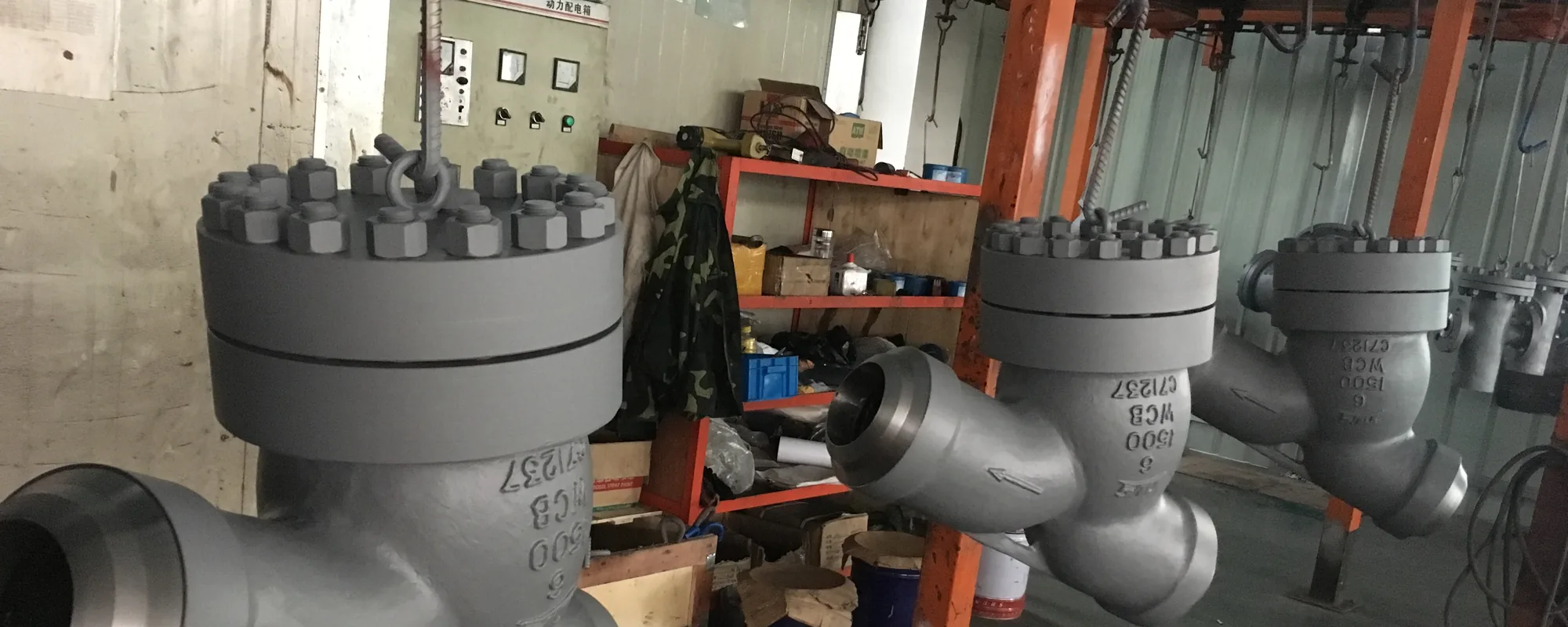
A pressure seal bonnet is a body-bonnet joint that uses line pressure to seal itself. The bonnet is inserted into the body from the inside, a tapered seal ring sits above it, and internal pressure pushes the whole assembly upward into the taper. The higher the pressure, the harder the joint seals.
This is the opposite of how a bolted bonnet behaves, and it is the reason pressure seal construction dominates above Class 900.
The problem it solves
A bolted bonnet holds its gasket compressed by bolt load. That works well at moderate pressure. Two things break it as conditions rise.
The first is arithmetic. The force trying to lift the bonnet off the body is pressure multiplied by the area of the bonnet opening. Both go up with class and bore, and the required bolt load rises faster than the space available to put bolts in. At Class 2500 in a mid-size bore, the bolting becomes very large and the flange with it.
The second is thermal cycling. Bolts, flanges and gaskets all creep and relax at temperature. Every start and stop cycle takes a little more preload out of the joint. On a base-load unit that might be acceptable for years. On a plant that two-shifts, it becomes a maintenance item.
The pressure seal arrangement removes both problems by making the pressure do the work.
How the joint is built
Working from the inside out:
- The bonnet passes through the body neck from below and is lifted into position. It is smaller than the bore it passes through - this is what makes assembly possible and also what makes the design work.
- The seal ring sits on the bonnet shoulder. It is typically flexible graphite, often with a stainless or Inconel liner, and it has a tapered cross-section matching a taper machined into the body bore.
- The thrust ring sits above the seal ring and transmits load into it evenly.
- The retainer segments are a split ring dropped into a groove in the body bore. They take the upward load and hold the assembly in place.
- The gland and packing seal around the stem, entirely separate from the body-bonnet joint.
When the line is pressurised, pressure acts on the underside of the bonnet, drives it up, and compresses the graphite ring into the taper. Sealing force is proportional to line pressure.
What this means in practice
It gets tighter under the conditions that make bolted joints leak. During a pressure excursion or a thermal transient, a bolted joint is at its most vulnerable and a pressure seal joint is at its tightest.
There is no bolt load to maintain. No hot torqueing, no re-tightening after the first thermal cycle, no gasket creep to compensate.
It has a low-pressure weakness. At very low pressure there is not much force available to energise the seal. Initial tightness comes from the assembly preload applied through the gland studs during build. If that preload is wrong, the valve can weep at low pressure and seal perfectly at operating pressure - a confusing symptom that usually points at assembly rather than at the ring.
The real limitations
Disassembly is different, and gets it wrong more often than it should. The bonnet cannot be lifted out. It has to be driven down into the body first to free the retainer segments, then removed. Crews familiar only with bolted bonnets sometimes try to lift it and damage the seal ring or the retainer groove.
The seal ring is usually a one-time part. Graphite rings take a set. Reusing one after disassembly is a false economy and a common cause of a valve that leaks after an overhaul when it did not before. Order the ring with the overhaul kit.
It does not help the seat. The pressure seal is a body joint. Seat tightness, wedge behaviour and stem sealing are separate problems, and a pressure seal valve leaking through the seat is not a bonnet problem.
It is not a rating. A pressure seal bonnet does not change the pressure-temperature rating of the valve. That comes from ASME B16.34 and the material grade. A pressure seal bonnet on a low-grade body does not make the valve suitable for higher temperature.
When you should not specify one
Below about Class 600 there is generally no reason to. Bolted bonnets are simpler, cheaper, easier to maintain with ordinary tooling, and entirely adequate for the duty. Fitting a pressure seal bonnet to a Class 300 valve makes the datasheet look more impressive and gives the buyer nothing.
The reverse mistake is more expensive: specifying a bolted bonnet at Class 1500 or above on a cycling unit, and then finding the joint on the maintenance list every outage.
What to ask a supplier
- What is the seal ring material and is a liner fitted?
- What preload is applied at assembly and how is it controlled?
- Is a replacement seal ring supplied with the valve or available as a spare?
- Is the disassembly sequence documented and supplied with the valve?
The last one matters more than it sounds. A pressure seal valve delivered without a disassembly procedure will eventually be opened by someone who has not seen one before.