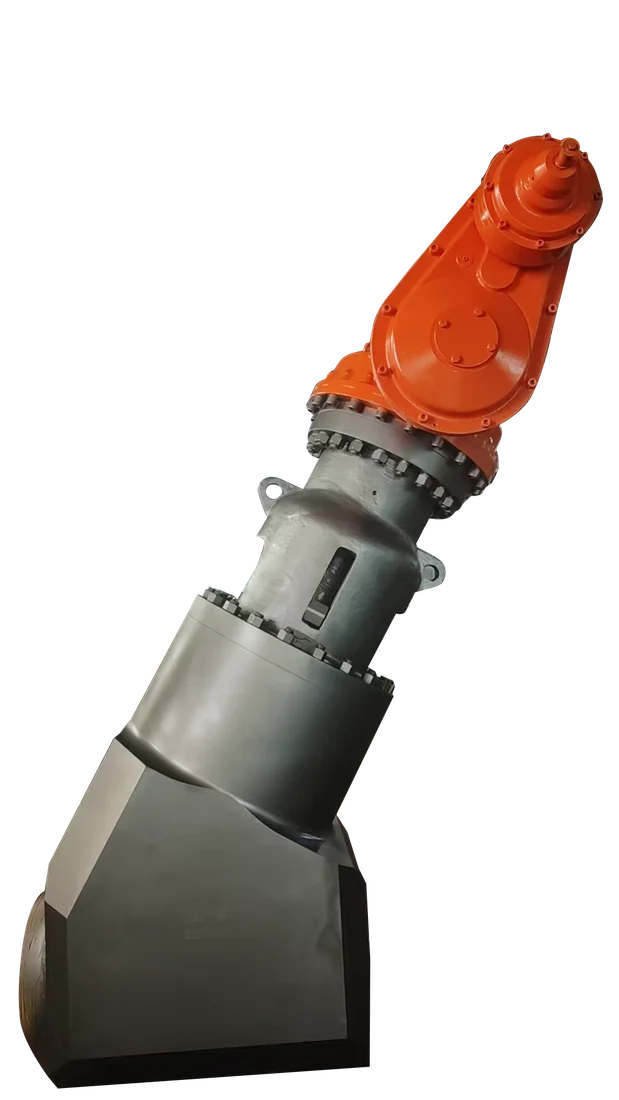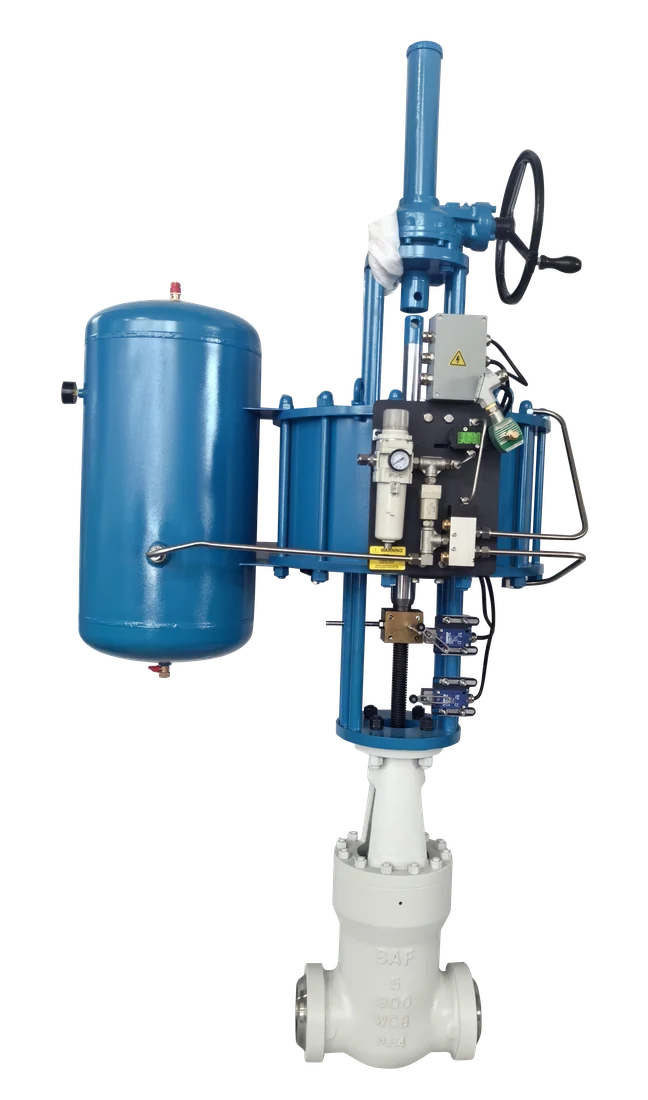
Pressure Seal Gate Valve
gate · pressure seal bonnet
- Size
- NPS 2-24 (DN 50-600)
- Class
- Class 600 - 4500
- Temp
- up to 650 °C / 1200 °F
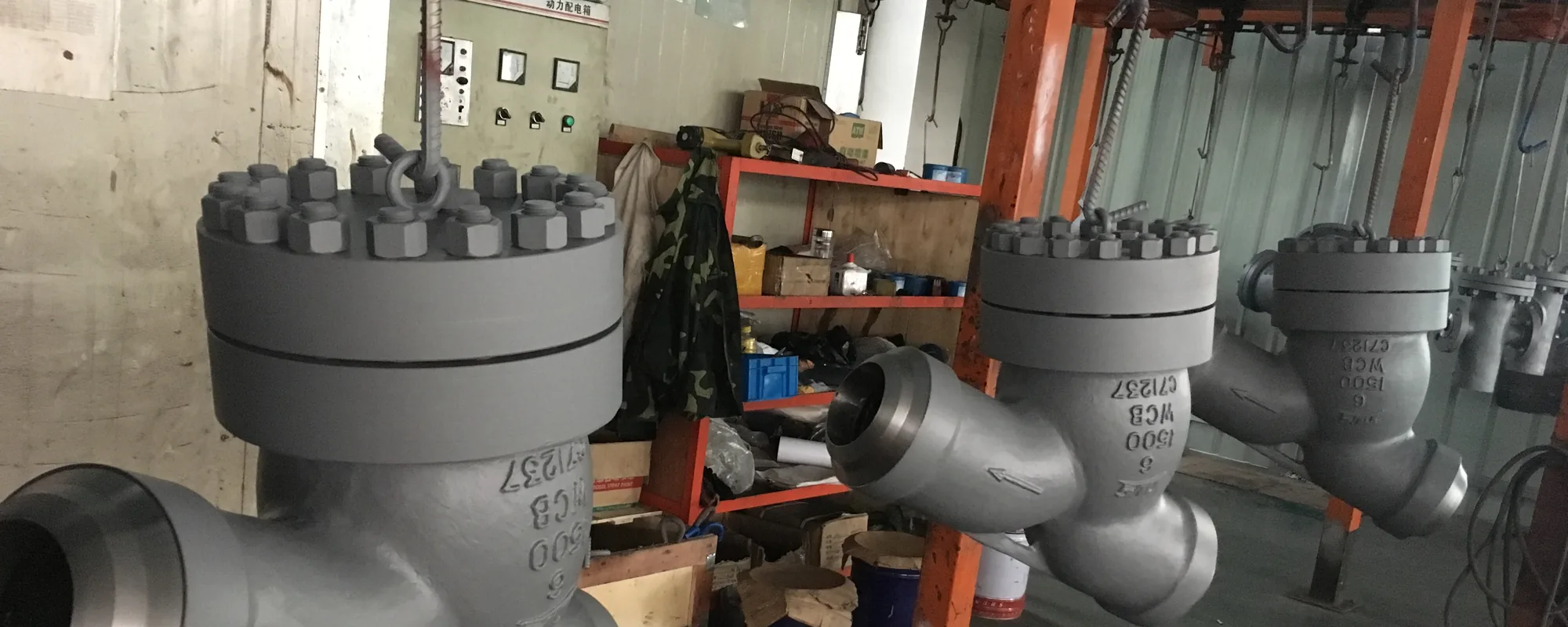
Above Class 900 the engineering changes character. Bolt loads become impractical, wall thickness drives the forging decision, and the material rating - not the class number - sets the limit.
| Parameter | Value | Basis |
|---|---|---|
| Pressure class | Class 900, 1500, 2500, 4500 | standard |
| Design pressure | 15-45 MPa depending on class and temperature | typical |
| Design temperature | 450-620 °C | typical |
| Medium | Superheated steam, occasionally supercritical water | standard |
| Wall thickness | Set by ASME B16.34 minimum wall for the class and size | standard |
Class 2500 does not mean 2500 psi. The allowable pressure at your design temperature comes from the ASME B16.34 rating table for the specific material group, and it falls as temperature rises. A Class 1500 F91 valve and a Class 1500 A105 valve have very different allowable pressures at 540 °C. Always check the rating for the grade, not the class alone.
A bolted bonnet holds its gasket by bolt load. As class rises, the required load grows with the square of the bore, and thermal cycling relaxes it. The pressure seal arrangement inverts the problem: line pressure does the sealing work, so the joint gets tighter as conditions get harder. That is why it dominates above Class 900 and is almost unknown below Class 600.
The minimum wall for Class 2500 in a mid-size bore is substantial. Thick castings are where shrinkage porosity concentrates, and it is found - if it is found - during RT after most of the machining cost has already been spent. Forging avoids the failure mode rather than inspecting for it.
Above Class 900 on steam service, butt weld ends are effectively standard. A flanged joint at Class 2500 needs a very large flange, a lot of bolting, and gives another leak path on the highest-energy line in the plant. Where flanges are specified, there is usually a maintenance reason, and it should be a conscious decision.
Design pressure and design temperature, both. Class and size alone are not enough to confirm the material, and quoting from them means guessing. The nine-point RFQ checklist covers the rest.
Indicative only. The grade is set by the piping class and the ASME B16.34 rating at your design temperature - see the material matrix.
gate · pressure seal bonnet
globe · pressure seal bonnet
No. It is heavier, more expensive, has a longer lead time and needs more weld preparation. Select the class from the design condition against the rating table for your material. Over-specifying class is a common way to add cost without adding capability.
The standard range is stated as 566 °C because that is where the common grades sit comfortably. Higher is possible with F92 and confirmation against the rating table for the specific grade and class. We give the number that the rating table supports, not a marketing maximum.
If the valve is flanged, yes - raised face gaskets are not normally used above Class 900 on steam service. But the prior question is whether the valve should be flanged at all. On a high-pressure steam line, butt weld is usually the right answer.
Send the system conditions and we will come back with what we would supply, the rating basis, and any point where we would question the specification.