Thermal Power
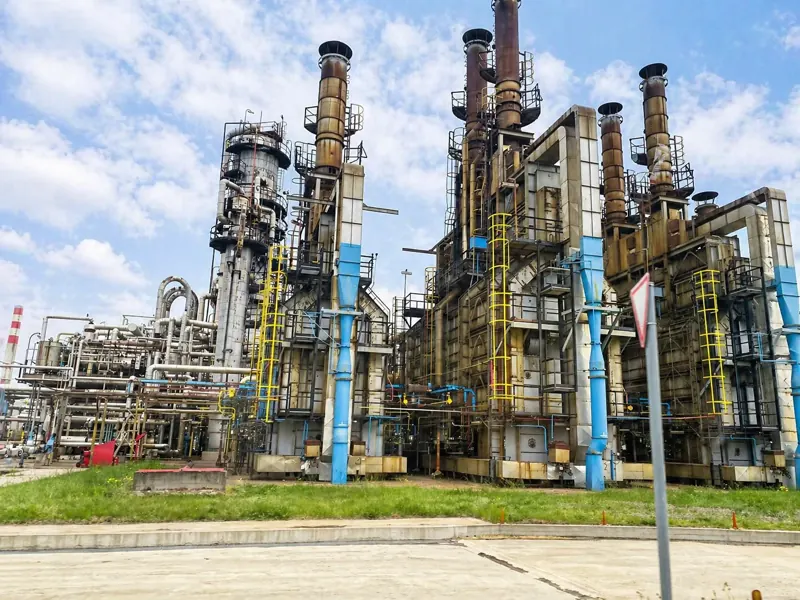
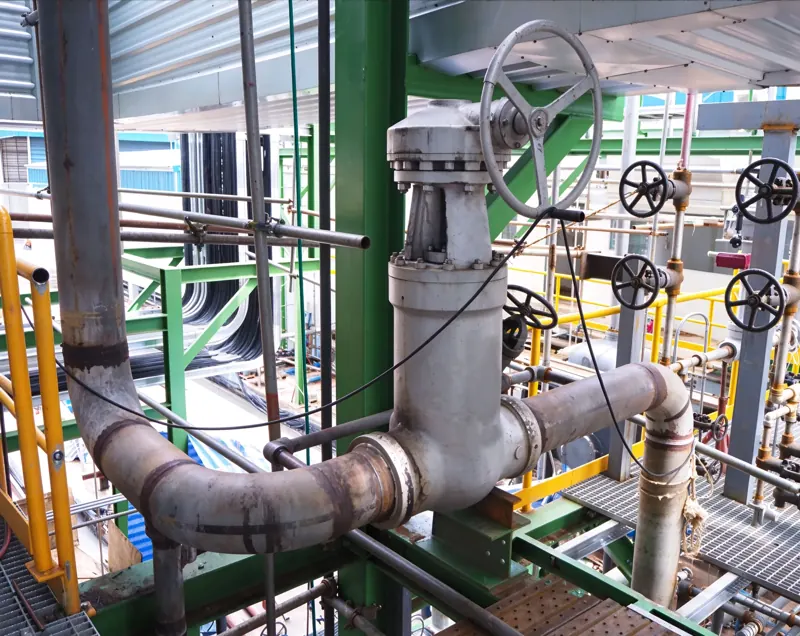
A conventional thermal unit has perhaps a dozen distinct valve duties. Getting them right starts with knowing which system you are in and what governs there.
A valve is selected for a position in a system, not for a product category. These pages give the typical conditions in each system, what governs the selection there, and which products belong.
A conventional thermal unit has perhaps a dozen distinct valve duties. Getting them right starts with knowing which system you are in and what governs there.
Secondary-side steam and feedwater duties in a nuclear plant look like a large conventional unit, with one difference that governs everything: what has to be qualified, and to whose satisfaction.
CHP plants run at lower steam conditions than utility units but change load far more often. Cycling, not peak temperature, is the design driver.
The small valves around a boiler are specified last and cause the most trouble. Wet steam, flashing and frequent operation are the common thread.
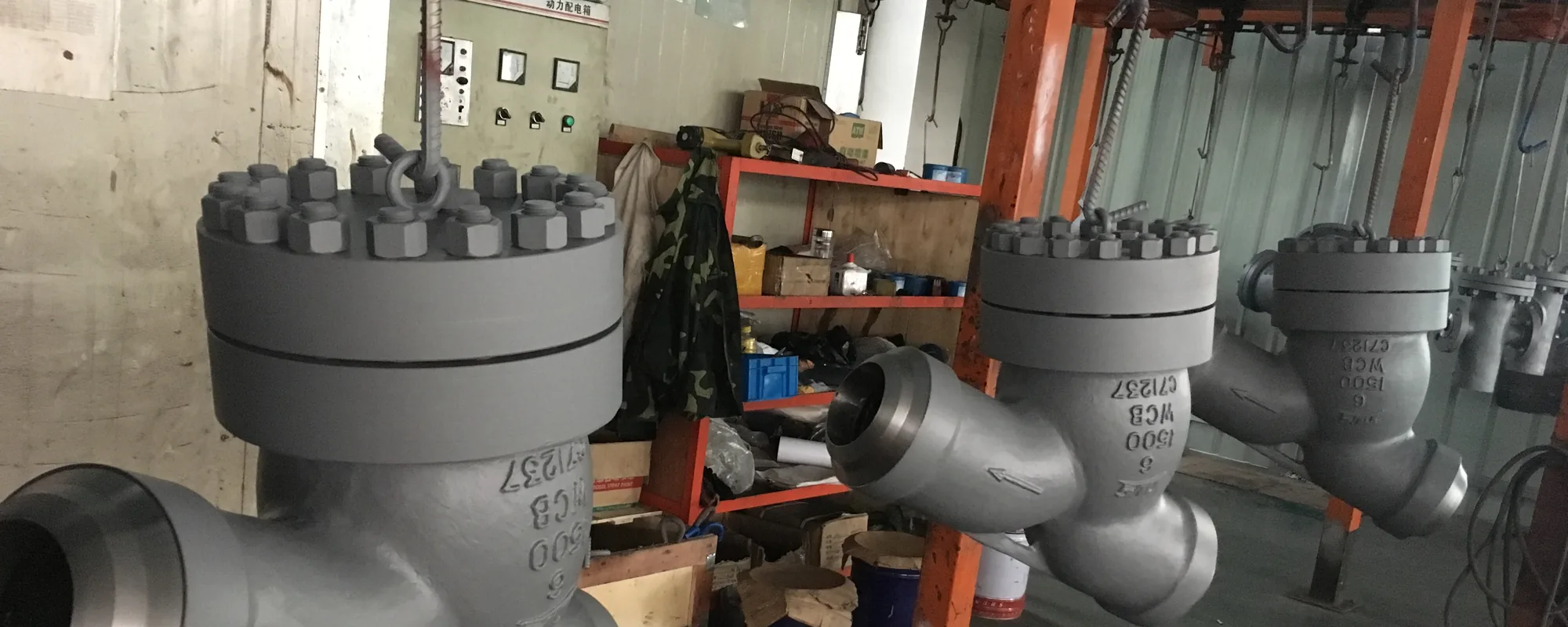
Above Class 900 the engineering changes character. Bolt loads become impractical, wall thickness drives the forging decision, and the material rating - not the class number - sets the limit.
The highest-pressure water in the plant, at moderate temperature. Cavitation and check valve dynamics - not creep - are what to engineer against.
Around the machine, the governing requirement is protection: stopping reverse steam, draining condensate before it reaches the blades, and isolating reliably for outages.
Adjacent to power service and technically similar - but the specification culture, the media and the emission requirements are different, and it matters.
Coal chemical service adds erosive solids to high-temperature duty. Standard power valve constructions cover part of it; the rest is engineered.