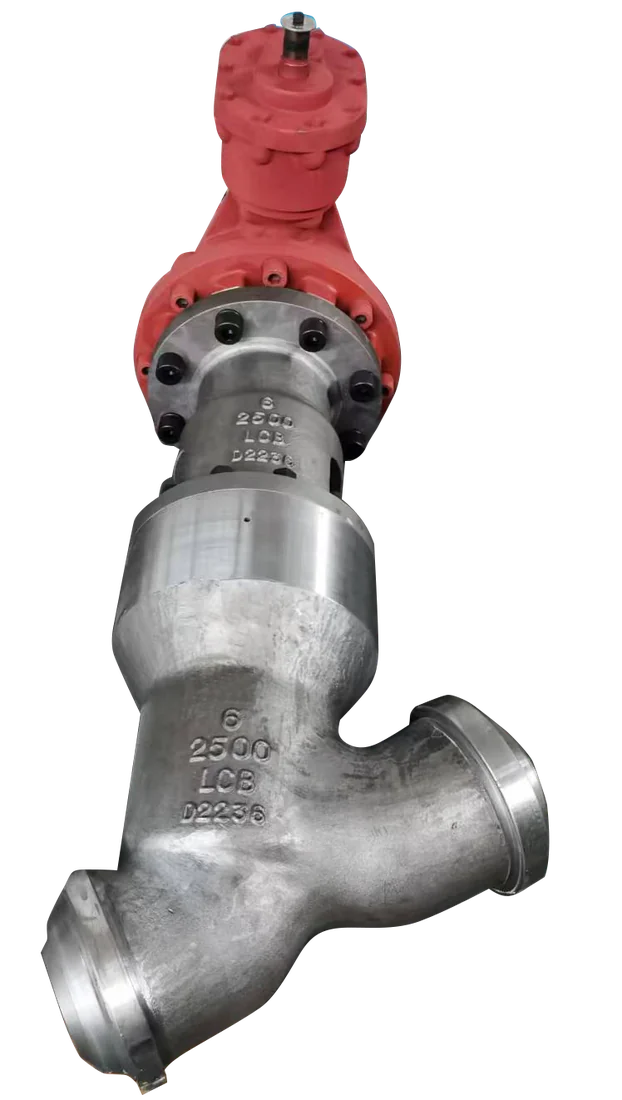
Pressure Seal Globe Valve
globe · pressure seal bonnet
- Size
- NPS 2-16 (DN 50-400)
- Class
- Class 900 - 4500
- Temp
- up to 650 °C / 1200 °F
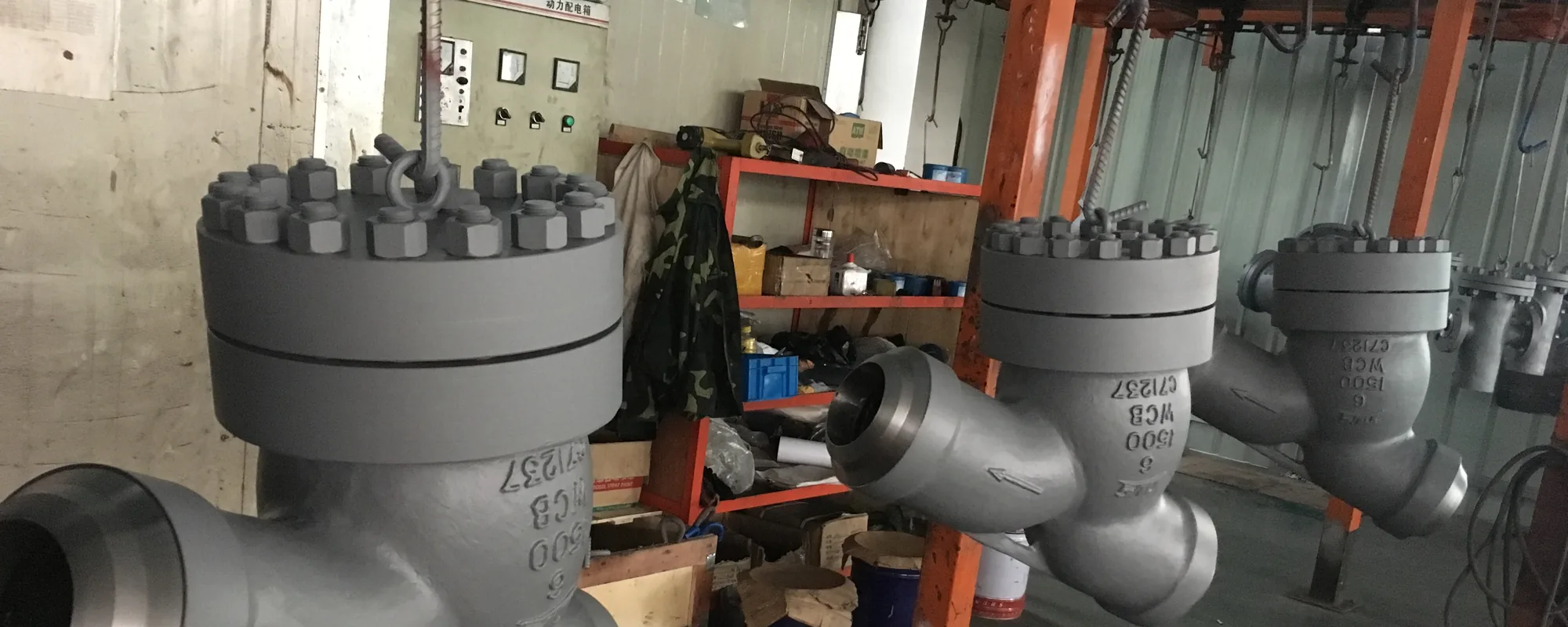
The small valves around a boiler are specified last and cause the most trouble. Wet steam, flashing and frequent operation are the common thread.
| Parameter | Value | Basis |
|---|---|---|
| Drum pressure | 4-20 MPa depending on unit type | typical |
| Drain and vent service | Saturated and wet steam, flashing across the seat | standard |
| Blowdown | High solids content, severe flashing | standard |
| Operating frequency | Daily to continuous on some drains | per project |
A boiler drain is opened against full drum pressure into atmosphere or a flash tank. The flow flashes across the seat and carries whatever is in the water with it. Hardfaced globe valves handle this; anything with a soft seat or a plain 13Cr seat will not last a season.
Continuous blowdown carries dissolved solids; intermittent bottom blowdown carries sludge. Both flash across the restriction. The correct arrangement is an isolation valve upstream that stays fully open or fully closed, and a purpose-designed blowdown valve doing the letting-down.
These operate hard for a short period on every start and then sit idle. The failure mode is not wear but seizure - a valve that has not moved for weeks being asked to operate reliably during startup. Back seats, correct packing and a defined exercise routine matter more than seat hardness here.
Moderate conditions, high cycle count, and often overlooked in the specification. Standard forged construction covers it; the thing to get right is the operator, because these valves are frequently remote and infrequently accessible.
Indicative only. The grade is set by the piping class and the ASME B16.34 rating at your design temperature - see the material matrix.
globe · pressure seal bonnet
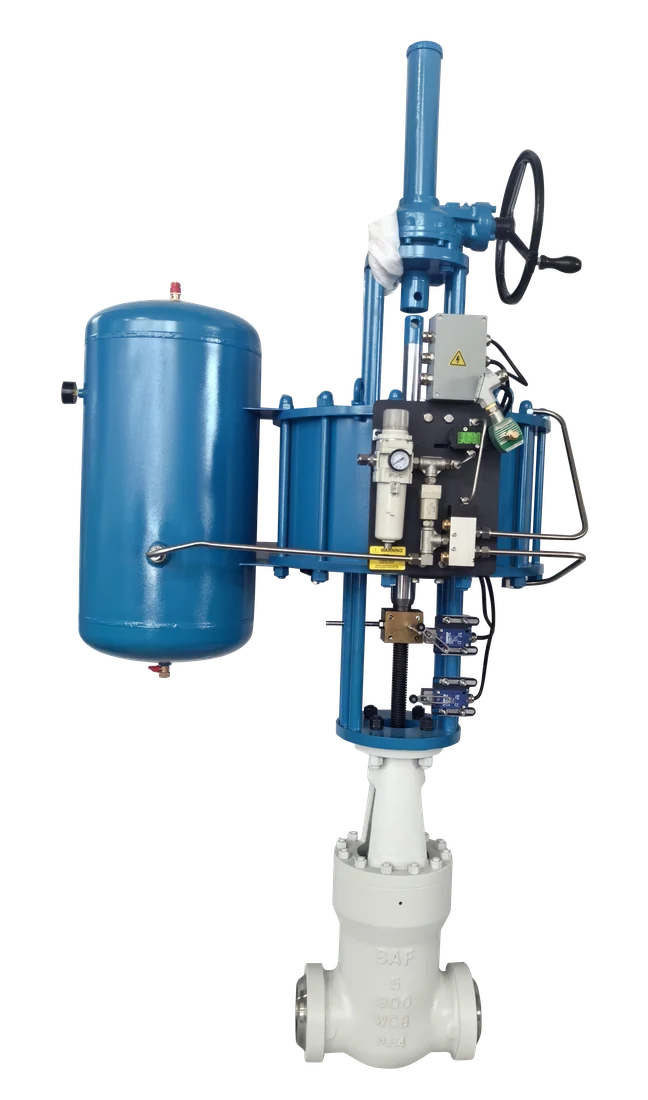
stop check · pressure seal bonnet
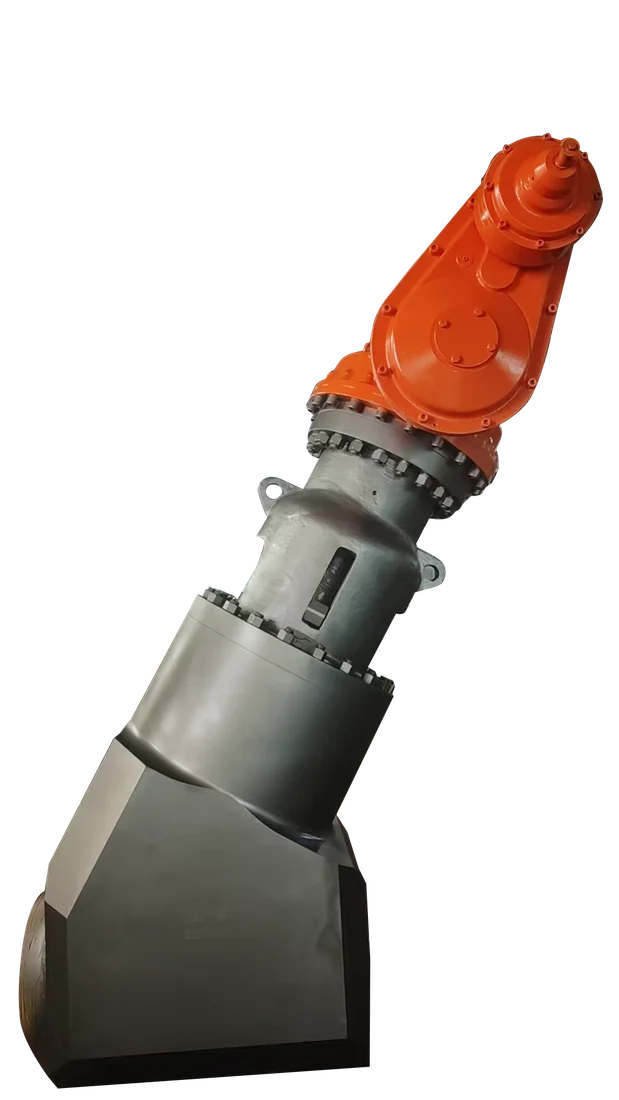
gate · pressure seal bonnet
So one valve does the throttling and takes the wear, while the other stays fully open or fully closed and provides reliable isolation. Trying to do both jobs with one valve means the isolation valve is also the eroded one, which is exactly the valve you do not want to depend on.
As the upstream isolation valve, yes, provided it is operated fully open or fully closed. As the throttling valve, no - a partly open wedge in flashing flow erodes quickly and unevenly.
Send the system conditions and we will come back with what we would supply, the rating basis, and any point where we would question the specification.