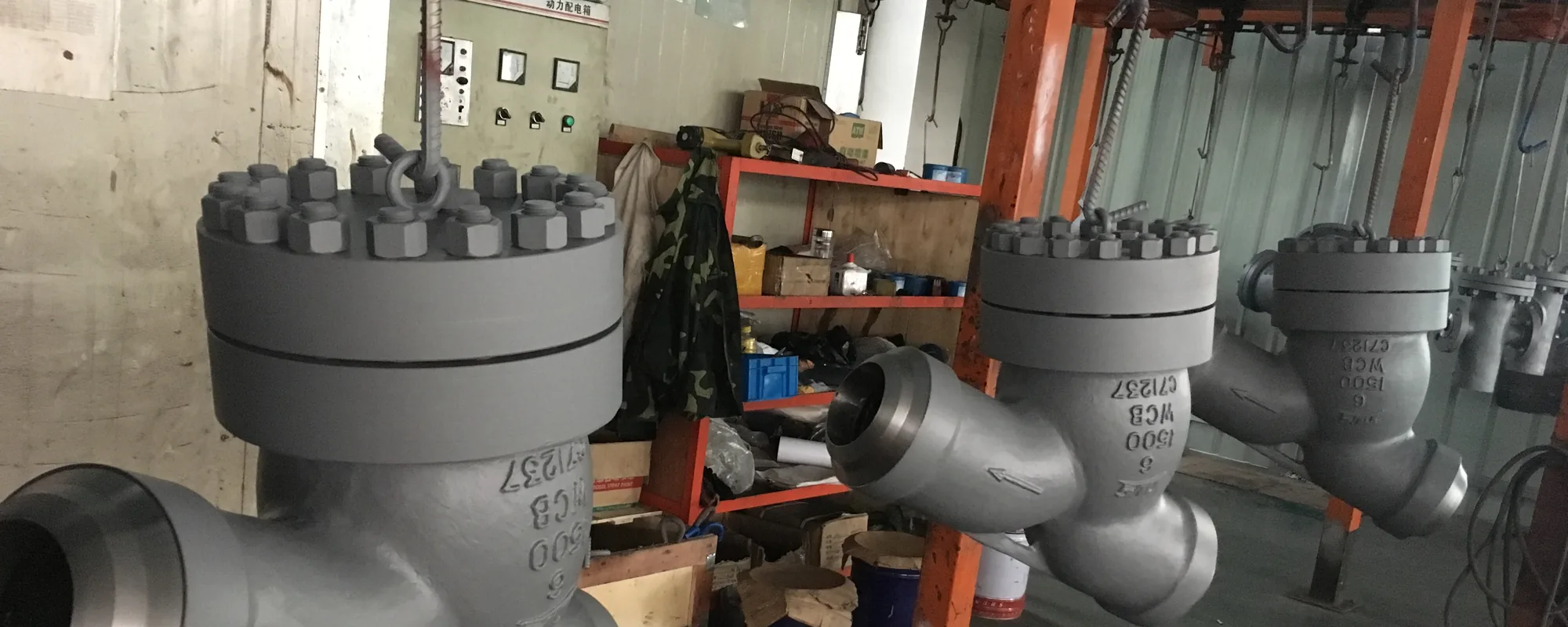
ASME B16.34
Valves - Flanged, Threaded and Welding End
Pressure-temperature rating, wall thickness, materials, testing, marking
What it covers
- Pressure-temperature ratings by material group - the table that fixes allowable pressure at your design temperature
- Minimum wall thickness for the pressure boundary at each class and size
- Acceptable material specifications, grouped so that ratings can be assigned
- Shell testing requirements and the basis for the test pressure
- Marking requirements for the body and the nameplate
- Requirements for standard, special and limited class valves
What it does not cover
- Face-to-face dimensions - that is ASME B16.10
- Seat leakage acceptance criteria - that is API 598 or MSS SP-61
- The internal design of the closure member; it constrains the pressure boundary, not the trim
- Fugitive emission performance
- Which valve type is appropriate for a given service
This section exists because standards are routinely listed on valve datasheets in positions where they do not apply. Knowing the boundary is what makes the reference useful.
The single most useful thing in the standard
The pressure-temperature rating tables. The class number on a valve is a label, not a pressure. Class 1500 in material group 1.1 (carbon steel) and Class 1500 in group 1.10 (F91) have very different allowable pressures at 540 °C, because the allowable stress of the material falls at different rates. If you take one thing from B16.34, take the habit of checking the rating for the actual grade rather than reading the class number as a pressure.
Standard, special and limited class
The standard defines three categories. Standard class valves follow the tabulated wall thickness and ratings. Special class valves have additional NDE and can carry higher ratings for the same material and size. Limited class covers valves that do not meet the full requirements and are rated accordingly. If your specification calls for special class, that is an NDE requirement as much as a rating one, and it needs to be in the enquiry.
Where buyers most often go wrong
Specifying a class without a design temperature. It leaves the supplier free to pick a cheaper material group that meets the class at ambient and not at your operating condition. Always state design pressure and design temperature together.
How we apply it
Every product datasheet on this site states the body material grade and the resulting rating basis. Where a temperature limit is given, it comes from the rating table for that grade, not from a general capability statement.
Products this applies to
Verify it yourself
We summarise what the standard governs. We do not reproduce its content - it is copyrighted and you should work from the current edition, not from a supplier's summary.
If anything on this page conflicts with the current edition of the standard, the standard is right and this page is wrong. Tell us and we will correct it.