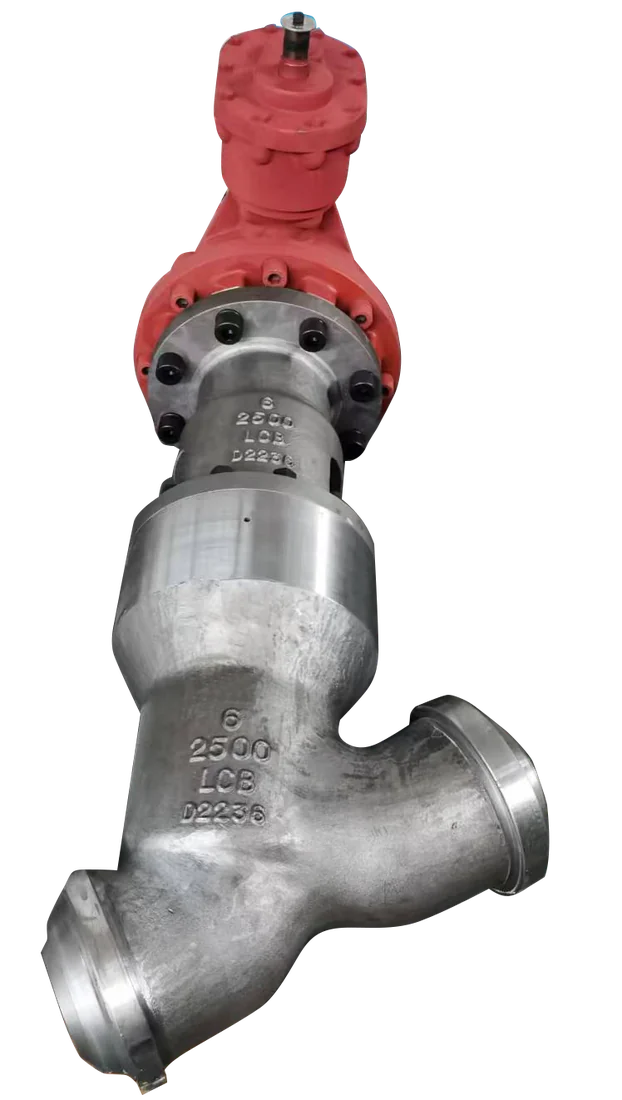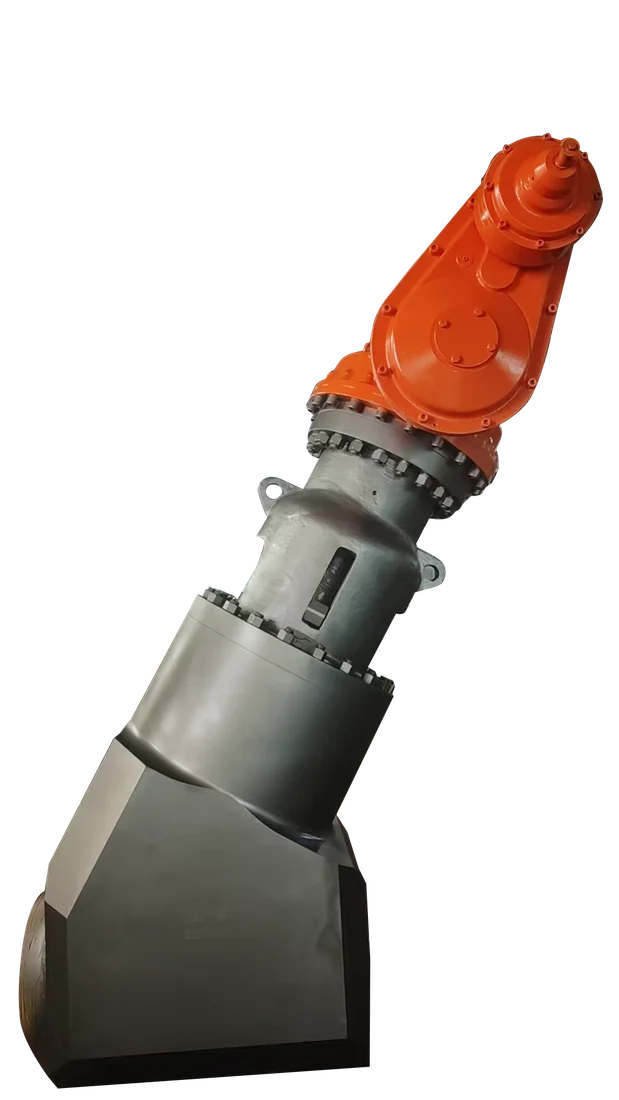
Pressure Seal Globe Valve
globe · pressure seal bonnet
- Size
- NPS 2-16 (DN 50-400)
- Class
- Class 900 - 4500
- Temp
- up to 650 °C / 1200 °F
Around the machine, the governing requirement is protection: stopping reverse steam, draining condensate before it reaches the blades, and isolating reliably for outages.
| Parameter | Value | Basis |
|---|---|---|
| Inlet conditions | Main steam conditions at the stop valve | per project |
| Extraction stages | 3-8 typical on a utility machine | typical |
| Extraction pressure | 0.05-5 MPa depending on stage | typical |
| Protection response | Sub-second on large HP extractions | per project |
On a trip, the inventory in each feedwater heater flashes and drives steam back toward the turbine. Reverse steam through the extraction nozzles can overspeed the rotor. The extraction check valve exists for that event alone, and its selection follows the turbine protection study - line volume, heater inventory, and the machine manufacturer requirements.
Condensate entering the steam path damages blades. Drain valves have to open reliably on startup, close tightly in normal running, and survive flashing flow in between. Hardfaced globe construction, and a defined exercise routine so a valve that sits idle for months still works when needed.
Modest conditions, but the valves are numerous, often inaccessible, and rarely given attention in the specification. Standard forged construction; the thing worth specifying carefully is the operator and the accessibility.
The turbine protection requirements if you have them, the extraction line geometry, and the heater data. Without these, an extraction check valve is being selected on size and class alone - which is how a protection device ends up not protecting anything.
Indicative only. The grade is set by the piping class and the ASME B16.34 rating at your design temperature - see the material matrix.
globe · pressure seal bonnet
stop check · pressure seal bonnet
On most projects, yes, or at least the protection scheme has to be consistent with their requirements. Send us their specification with the enquiry rather than after the order - it frequently changes the valve arrangement, not just the documentation.
Partial-stroke, yes, if the provision is designed in. Full closure testing needs an outage. Ask for the provision at the enquiry stage; adding it later usually means a new valve.
Send the system conditions and we will come back with what we would supply, the rating basis, and any point where we would question the specification.