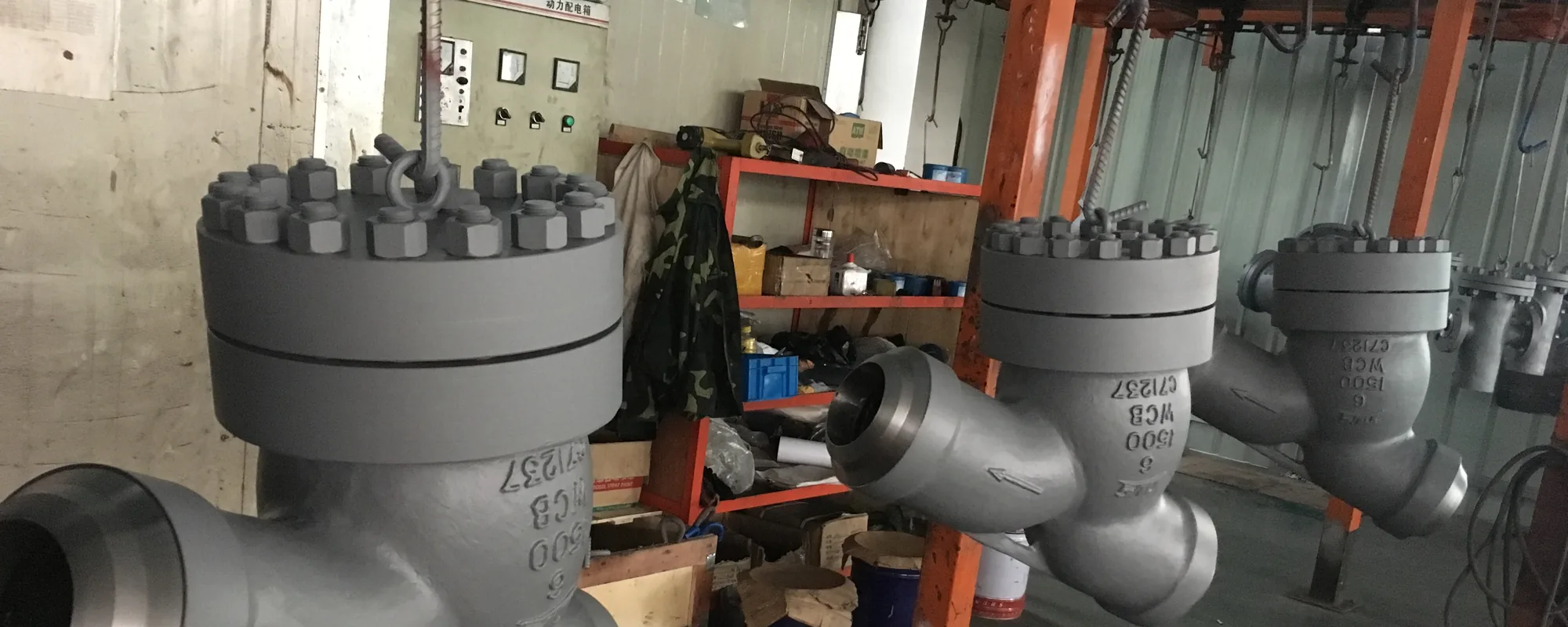
The most common misunderstanding about pressure class is that the number is a pressure. It is not. Class 1500 does not mean 1500 psi, and two Class 1500 valves in different materials have different allowable pressures at the same temperature.
What the class actually is
A pressure class is an index into a rating table. ASME B16.34 groups materials by their allowable stress behaviour, then tabulates allowable pressure against temperature for each class within each group.
The consequence is direct: you cannot select a class without a design temperature. A specification that says “Class 1500” and gives only a design pressure has not specified the valve. The supplier is free to pick a material group that satisfies the class at ambient and not at your operating condition, and the valve will be technically compliant with what was asked.
To illustrate the shape of it - the allowable pressure for a Class 1500 valve falls substantially between ambient and 540 °C, and how much it falls depends on the material group. A carbon steel body loses far more of its rating over that range than an F91 body does. The numbers come from the table for the grade; the principle is that rating is a function of material and temperature, and the class number alone tells you neither.
When Class 1500 is the right answer
Class 1500 is the workhorse class for:
- Subcritical main steam at around 17 MPa
- High-pressure feedwater on many units
- Hot reheat on some designs
- Boiler drains and blowdown at drum pressure
It sits at a practical sweet spot: high enough that pressure seal bonnet construction is standard, not so high that wall thickness and forging availability start driving the programme.
When to go to Class 2500
- The design condition genuinely requires it against the rating table for your grade
- Feedwater on a supercritical unit, where the pump discharge is well above drum pressure
- Ultra-supercritical main steam
Class 2500 costs more in three ways beyond the price: weight, weld preparation time at site, and lead time driven by forging availability. Over-specifying it is a common and expensive habit.
When Class 900 is enough
If the rating table says Class 900 covers your design condition with reasonable margin, use it. Pressure seal bonnet construction is still standard at Class 900, so you are not giving up the bonnet advantage. You are giving up wall thickness you did not need.
The instinct to round up a class “for safety” is understandable and usually wrong. The margin is already in the rating table. Adding another class on top adds weight and cost without adding a corresponding increase in safety.
What actually changes in the valve
Going from Class 900 to 1500 to 2500 in the same size:
Wall thickness increases per the B16.34 minimum wall table. This is what drives the forging decision - thick sections are where casting porosity concentrates.
Bonnet arrangement is pressure seal across all three. The change happens below Class 900, not within this range.
End connections move firmly toward butt weld. A Class 2500 flanged joint is a very large flange with a lot of bolting, and it is another leak path on a high-energy line.
Operator sizing grows. The thrust needed to seat against differential pressure rises with class, and gear operation comes in at smaller sizes on the higher classes.
Face-to-face changes with class per B16.10 - a Class 1500 valve is not a drop-in replacement for a Class 900 valve of the same size.
Lead time is driven by forging availability, and larger forgings in creep grades are the constraint. Machining capacity is rarely the bottleneck.
The selection sequence
- Establish design pressure and design temperature. Both.
- Establish the material grade - usually from the piping class, so the valve matches the connecting pipe.
- Read the B16.34 rating table for that material group and find the lowest class whose rating at your design temperature exceeds your design pressure with the margin your specification requires.
- Check the size against the face-to-face tables if it is a replacement.
- Confirm the end connection against the actual pipe schedule, not the nominal size.
That order matters. Selecting class before material means selecting it twice.
What to send with an enquiry
Design pressure, design temperature, medium, size, material (or the piping class), end connection and operator. If you send class and size alone, we will come back asking for the temperature, because quoting without it means guessing at the material - and guessing low is how a supplier wins on price and loses on rating.