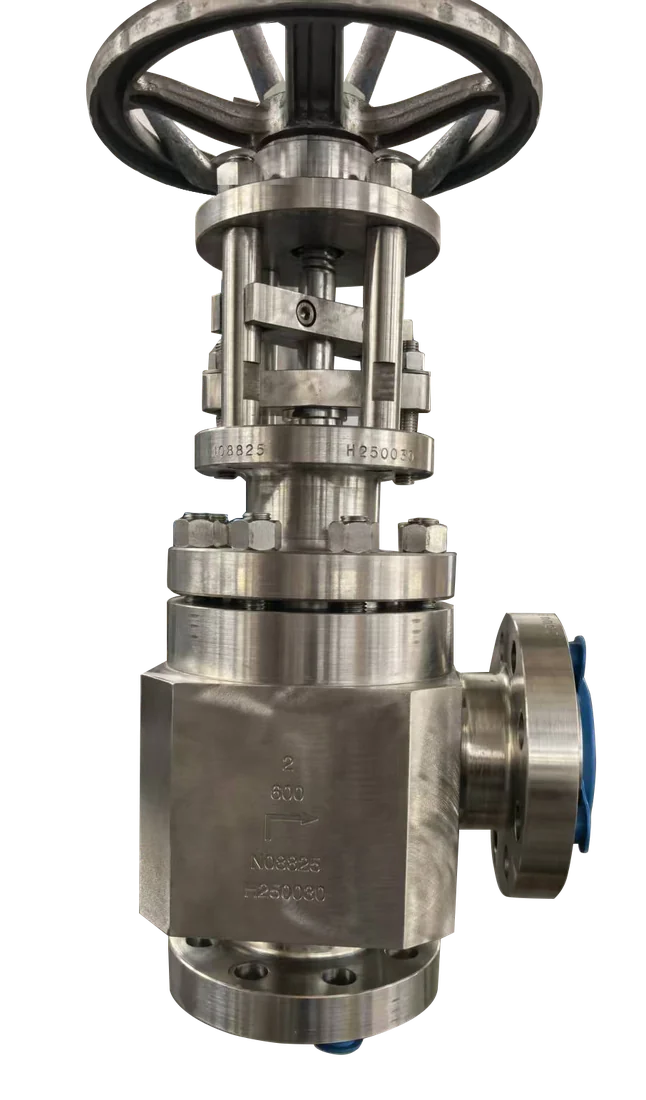
Forged Gate Valve
gate · pressure seal bonnet
- Size
- NPS 2 - 24 (DN 50-600)
- Class
- Class 900 - 4500
- Temp
- up to 650 °C / 1200 °F
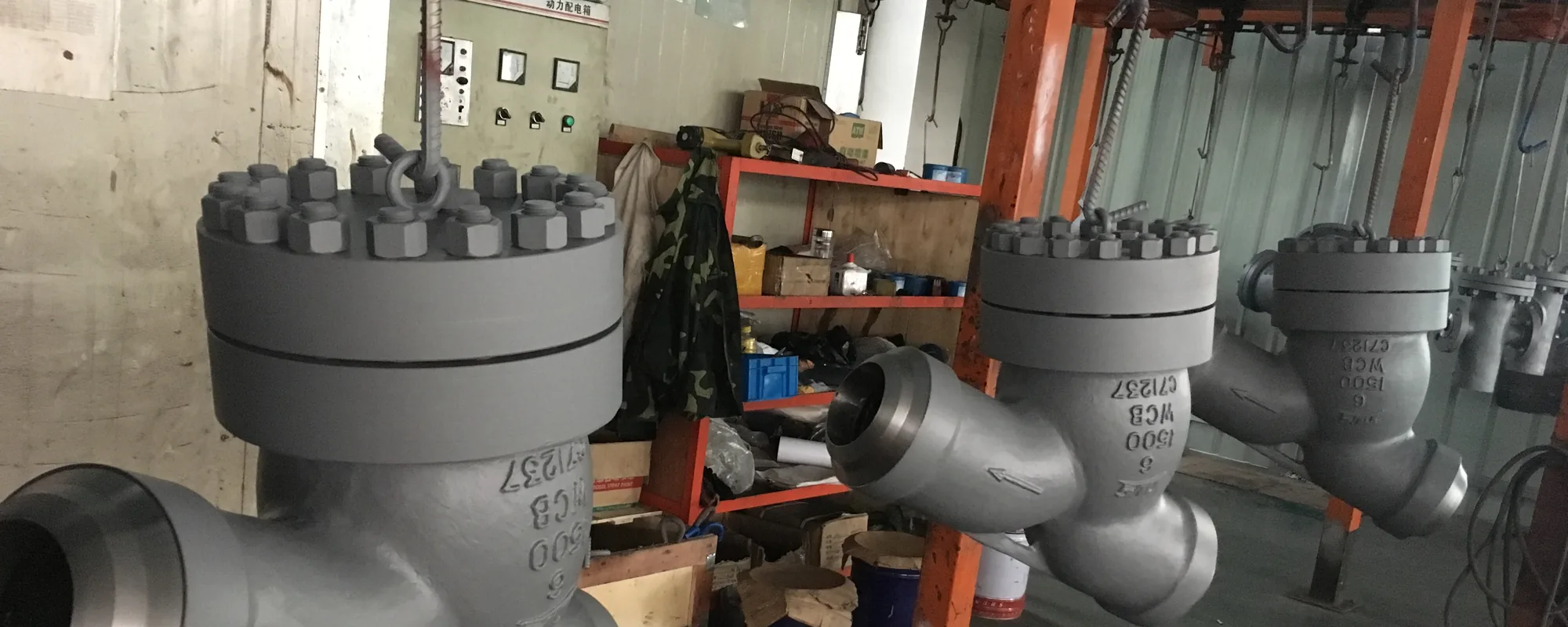
This category is defined by how the pressure boundary was made, not by what it is used for. An integral forged body is formed from a single forged billet, so the pressure boundary has worked grain flow, no casting porosity and no welded seam through the load path. That matters most where thermal cycling drives fatigue, where the class is high enough that wall thickness makes casting soundness hard to guarantee, and where radiography of a cast body would otherwise become the schedule risk on the order.
Each valve below is published once, in the category that describes how it is built. A valve is not listed twice under different names.
gate · pressure seal bonnet
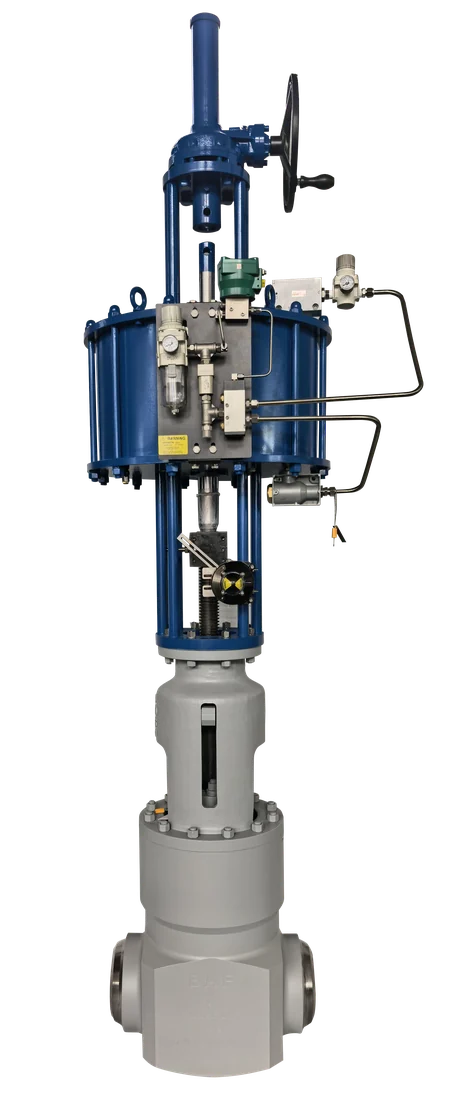
globe · pressure seal bonnet
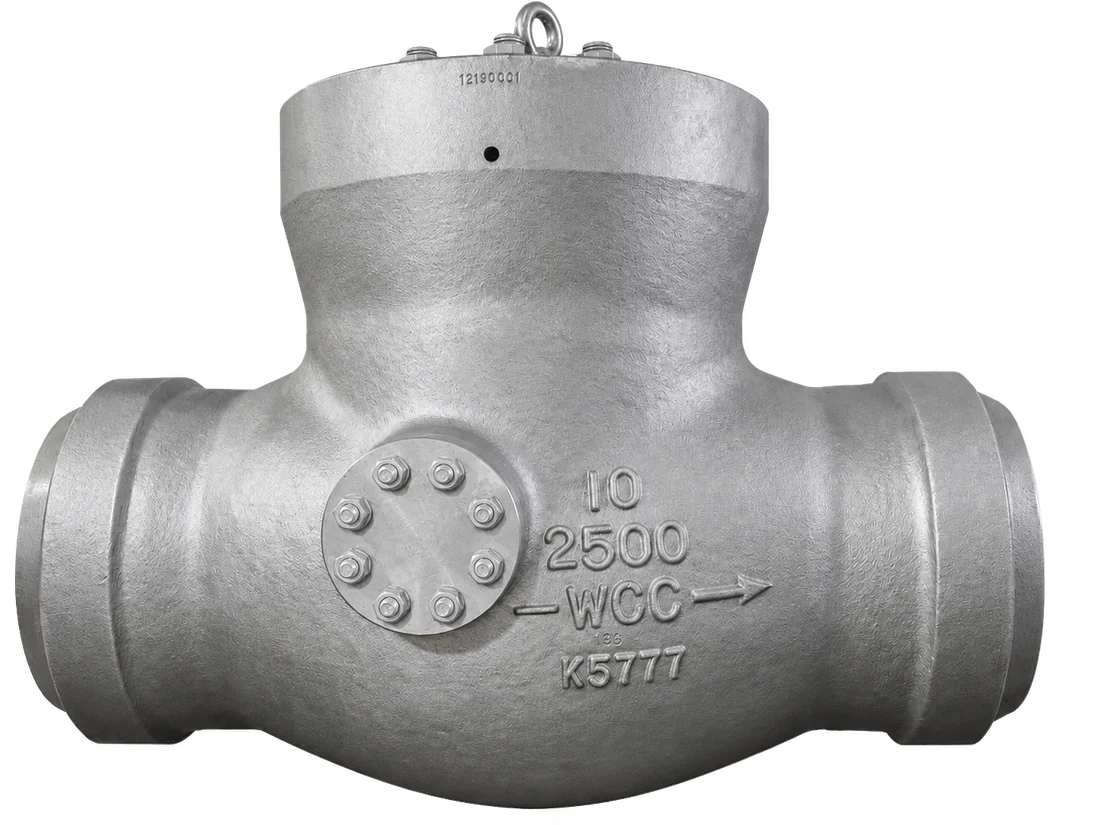
check · bolted + pressure seal
Body, ends and standards are configured per order. The body and trim grades, the end connection (BW, SW, RF or RTJ) and the design, testing and marking standards are largely common across this range and are selected against your duty and specification. Each product page states what applies to that valve.
The term is used loosely across this industry, so here is the test we apply. Integral forged means the pressure-containing body, including the neck, is formed from one piece of forged material, with the internal form machined out rather than assembled. It does not mean a body machined from bar and welded to a forged neck. It does not mean forged end connections welded to a cast centre. Where a valve is built either of those ways it can be perfectly fit for purpose, but it is not what this category collects, and the difference is visible on the drawing rather than in the description.
Removes the shrinkage and gas porosity that governs radiographic acceptance on heavy-section cast bodies, and removes the weld repair cycle that follows a rejection.
Forging orients grain flow with the section rather than leaving the as-solidified structure, which improves through-thickness properties in the neck and crotch where stress concentrates.
No longitudinal or circumferential weld through the pressure boundary, so no weld to be examined, heat treated and re-examined over the life of the valve.
The crotch region of a valve body sees the highest thermal gradient during a start. A forged structure without casting defects has fewer initiation sites for thermal fatigue cracking.
One body, one heat number, carried from mill certificate through machining to the nameplate and verified by PMI rather than inferred.
A first cut at gate, globe, check or stop-check. The values are catalogue ranges, not a commitment for a specific item.
| Product type | Body | Class | Temperature | Typical service |
|---|---|---|---|---|
| Integral Forged Pressure Seal Gate Valve | One-piece forged | 900 - 4500 | to about 650 °C | Main steam isolation |
| Integral Forged Pressure Seal Globe Valve | One-piece forged | 900 - 4500 | to about 650 °C | Steam isolation and throttling |
| Integral Forged Swing Check Valve | One-piece forged | 900 - 2500 | to about 650 °C | Feedwater and steam non-return |
The grade is selected against the rating at your design temperature. The full matrix, with the reason each grade exists, is on the material matrix page.
| Material | Typical service | What decides whether it is right |
|---|---|---|
| A105 / F36 | General high-pressure steam and water | Forged carbon steel. Cheap and well understood, but it loses allowable stress quickly with temperature, so it has to be checked against the rating table rather than assumed. |
| F22 / WC9 | High-temperature steam | Chromium-molybdenum. The workhorse above the carbon steel limit, with useful creep strength and straightforward welding compared with the martensitic grades. |
| F91 / C12A | Supercritical steam | Modified 9Cr-1Mo. Much higher creep strength, but only if the heat treatment window was held. The furnace and PWHT charts are the evidence that it will perform, not the grade name. |
| F92 | Ultra-supercritical steam | Higher creep strength again at the top temperature and class combinations, with a narrower processing window than F91 and correspondingly less tolerance for error in heat treatment. |
| WB36 | High-pressure feedwater | High-strength low-alloy steel used where feedwater pressure rather than temperature governs, allowing a thinner wall than a carbon steel equivalent at the same class. |
| F347 | High-temperature corrosive media | Stabilised austenitic stainless. Selected for corrosion resistance and for stability against sensitisation, not primarily for creep strength. |
Listed only where the standard actually governs something on these valves. What each one covers on a specific item is stated on that item's page.
Catalogue, datasheets, material guide, pressure-temperature rating tables and the RFQ datasheet are collected in resources. Files carry a version date and use searchable text rather than scanned images.
Ask for the general arrangement drawing and the forging drawing, not the brochure. The GA shows whether the neck is part of the body or a separate welded component. Ask for the material certificate against the body heat number, and for the NDE report: a forged body has no body weld to examine, so a body weld appearing on the ITP tells you what you are actually buying.
No. It is better against porosity, through-thickness properties and thermal fatigue. It is more expensive, has longer material lead times, and constrains the body shape. On a base-load unit at moderate class, a sound cast body is entirely appropriate. The choice should follow the duty.
No. Above a certain size and weight the forging becomes uneconomic or exceeds the available press and handling capacity, and a cast body is the sensible route. The size at which that happens is stated per item rather than as a general claim.
Send a valve list and we answer line by line, including the lines where we would need a deviation and the lines where we think the wrong valve has been specified.