High-Temperature and High-Pressure Valves / China
Sales e-mail pending - see /contact/ RFQ Checklist
Power plant valve manufacturer / China

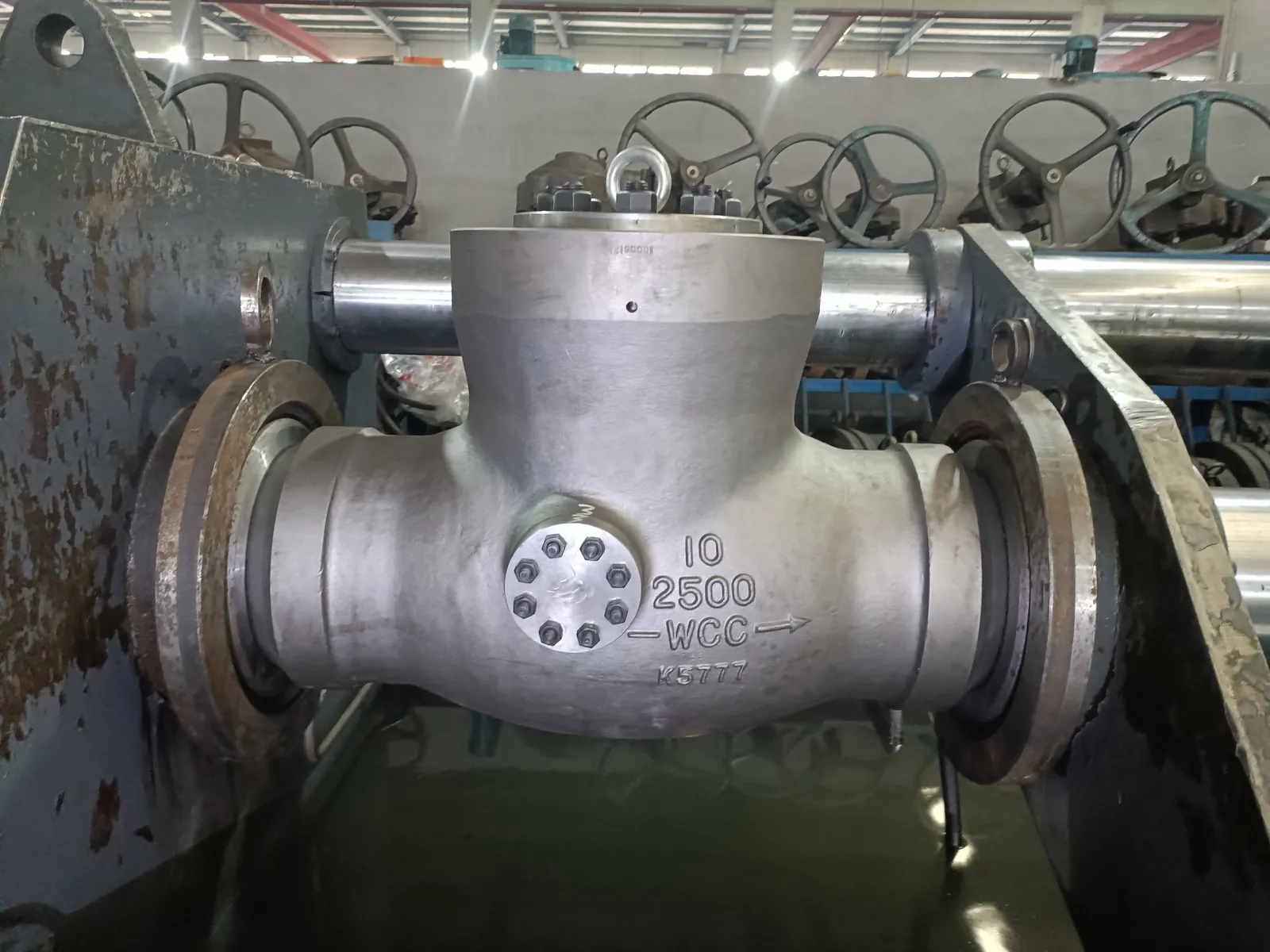
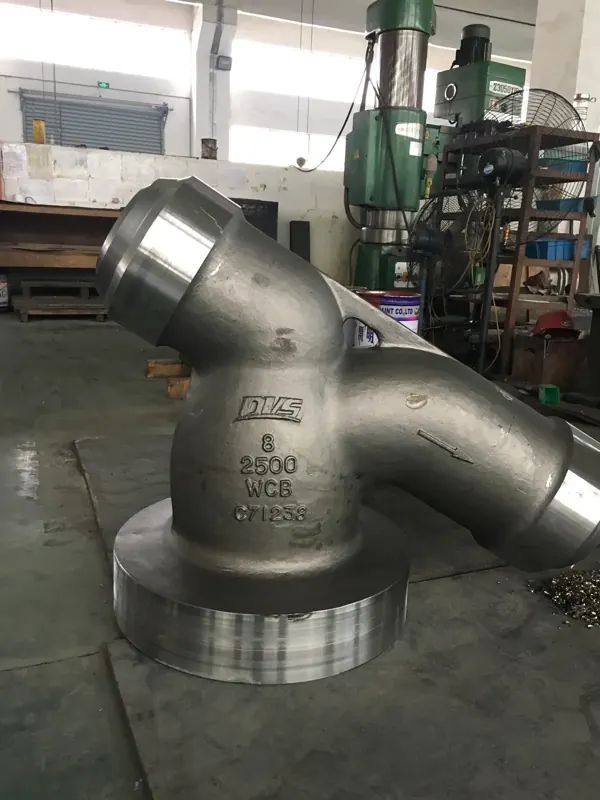
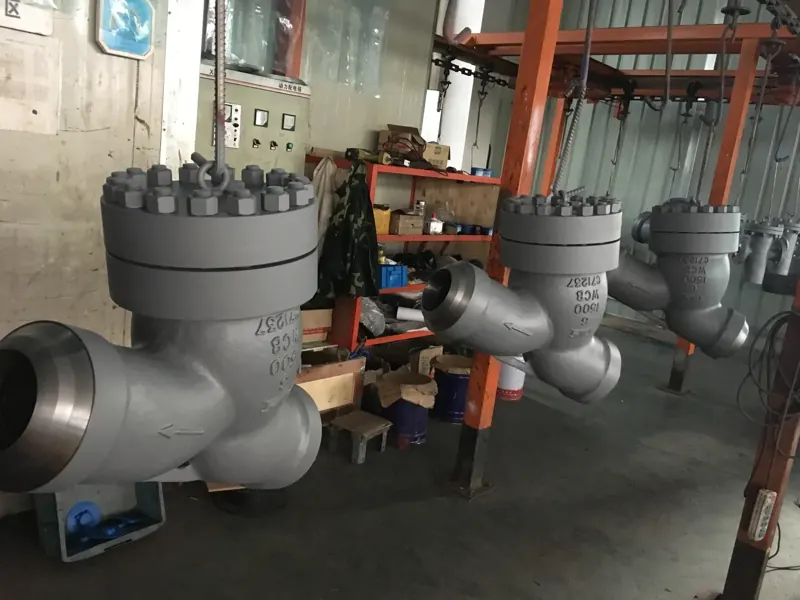
High-temperature and high-pressure valves

Pressure seal and integral forged gate, globe, check and stop-check valves for steam, feedwater and process service, with a document package an inspector can work through.

Size
NPS 2 - 36
Class
600 - 4500
Temperature
to 650 °C
Design code
ASME B16.34

Catalogue range. The rating that applies to your item is set by its material and class in the ASME B16.34 table, not by the maximum shown here.

What we do, and what we do not. This is a high-temperature, high-pressure range: steam, feedwater and severe process service, in cast and forged construction. We do not supply cooling water, compressed air, general utility or control valves, and we will say so rather than quote them. If your enquiry falls outside that envelope we would rather tell you at the enquiry stage than at delivery.

Selected by system, not by catalogue number

Main steam needs creep-grade material. Feedwater takes its pressure class from the pump curve. Extraction is designed for the trip, not for normal running. Four different engineering problems, one factory.

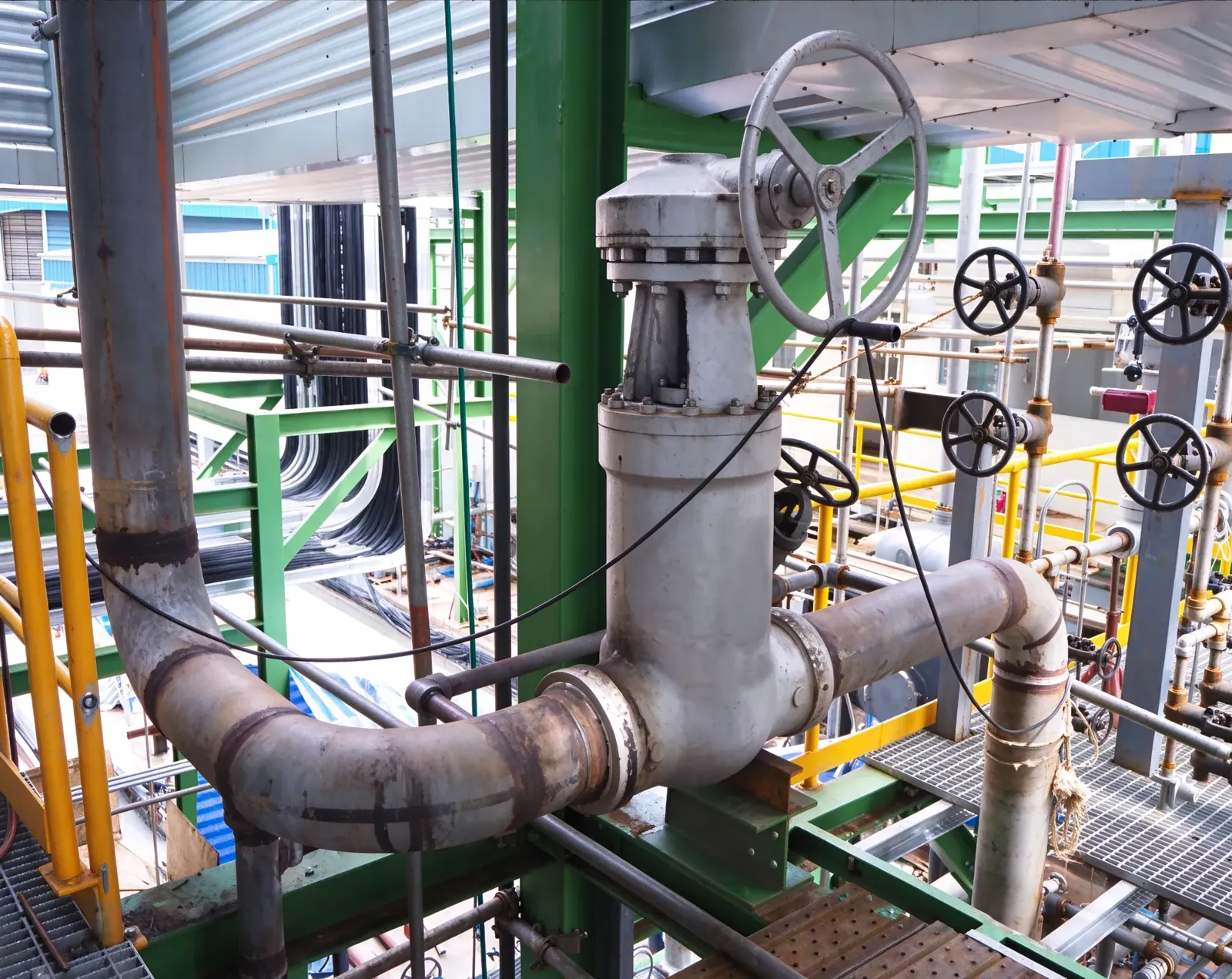
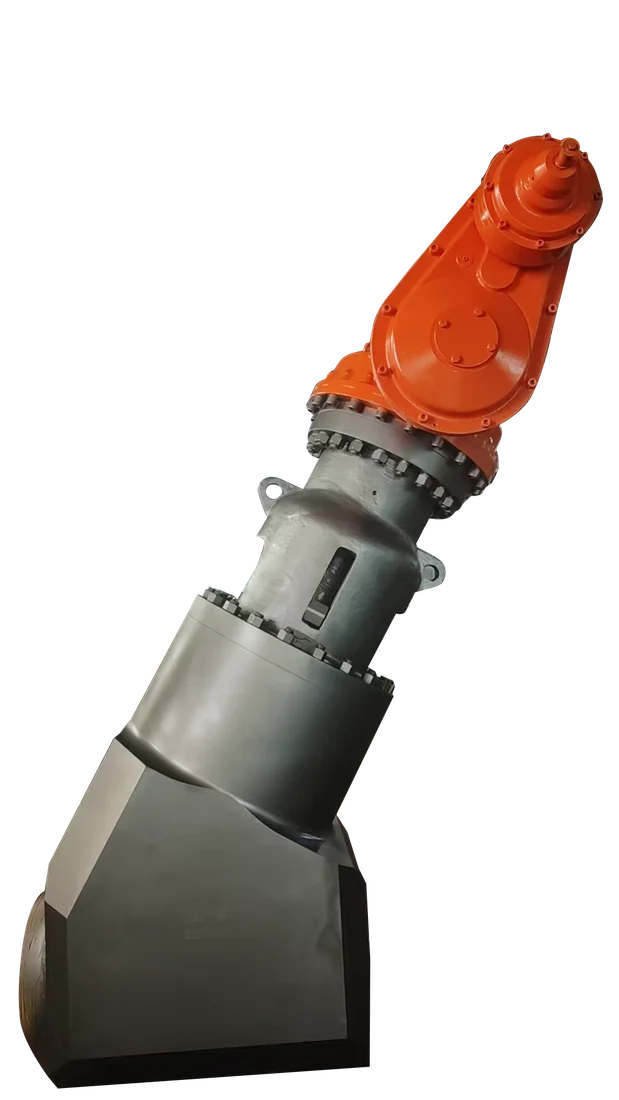
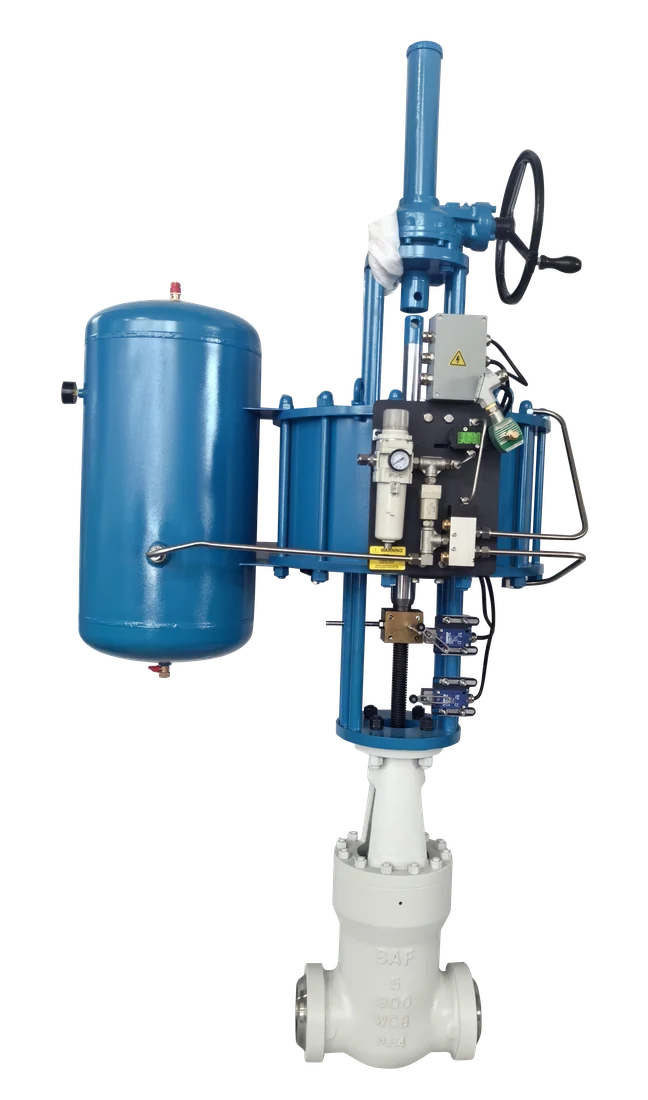
Pressure Seal Gate Valve

gate · pressure seal bonnet

Body
A105, A182 F11, F22, F91, F92
Size
NPS 2-24 (DN 50-600)
Class
Class 600 - 4500
Temp
up to 650 °C / 1200 °F
End
BW, SW, RTJ, RF
Standard
ASME B16.34
View specification

Pressure Seal Globe Valve

globe · pressure seal bonnet

Body
A105, A182 F11, F22, F91, F92
Size
NPS 2-16 (DN 50-400)
Class
Class 900 - 4500
Temp
up to 650 °C / 1200 °F
End
BW, SW, RTJ, RF
Standard
ASME B16.34
View specification

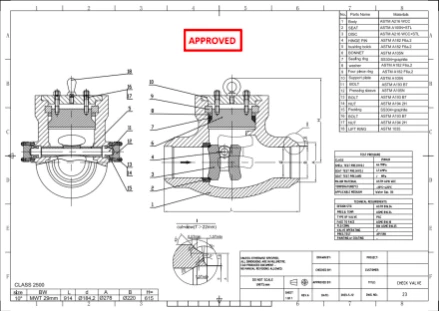
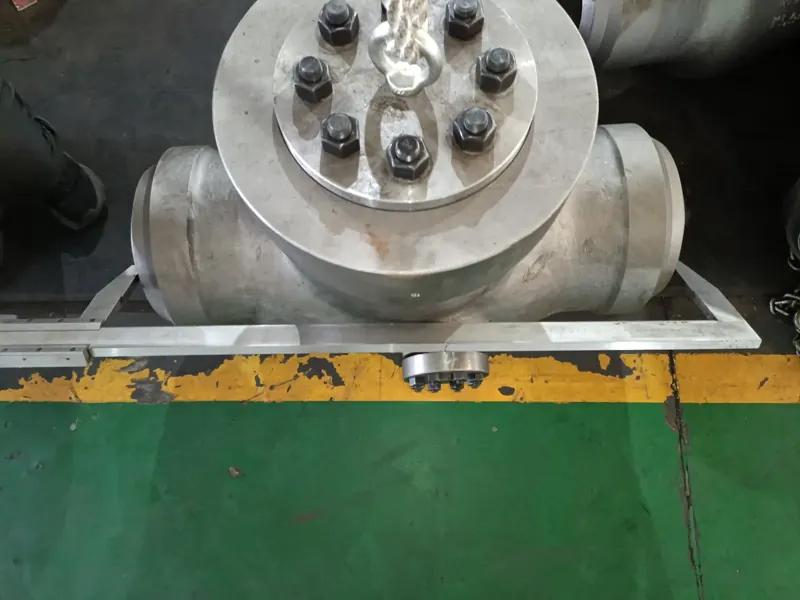
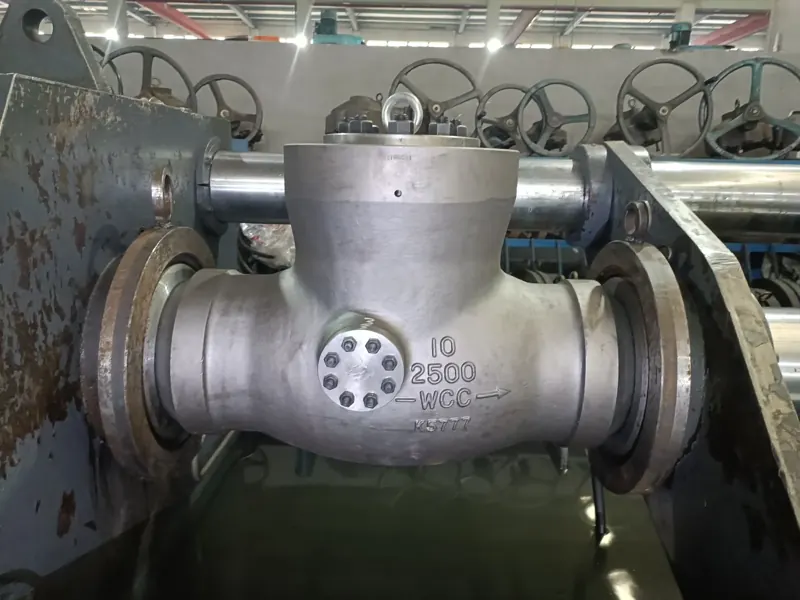
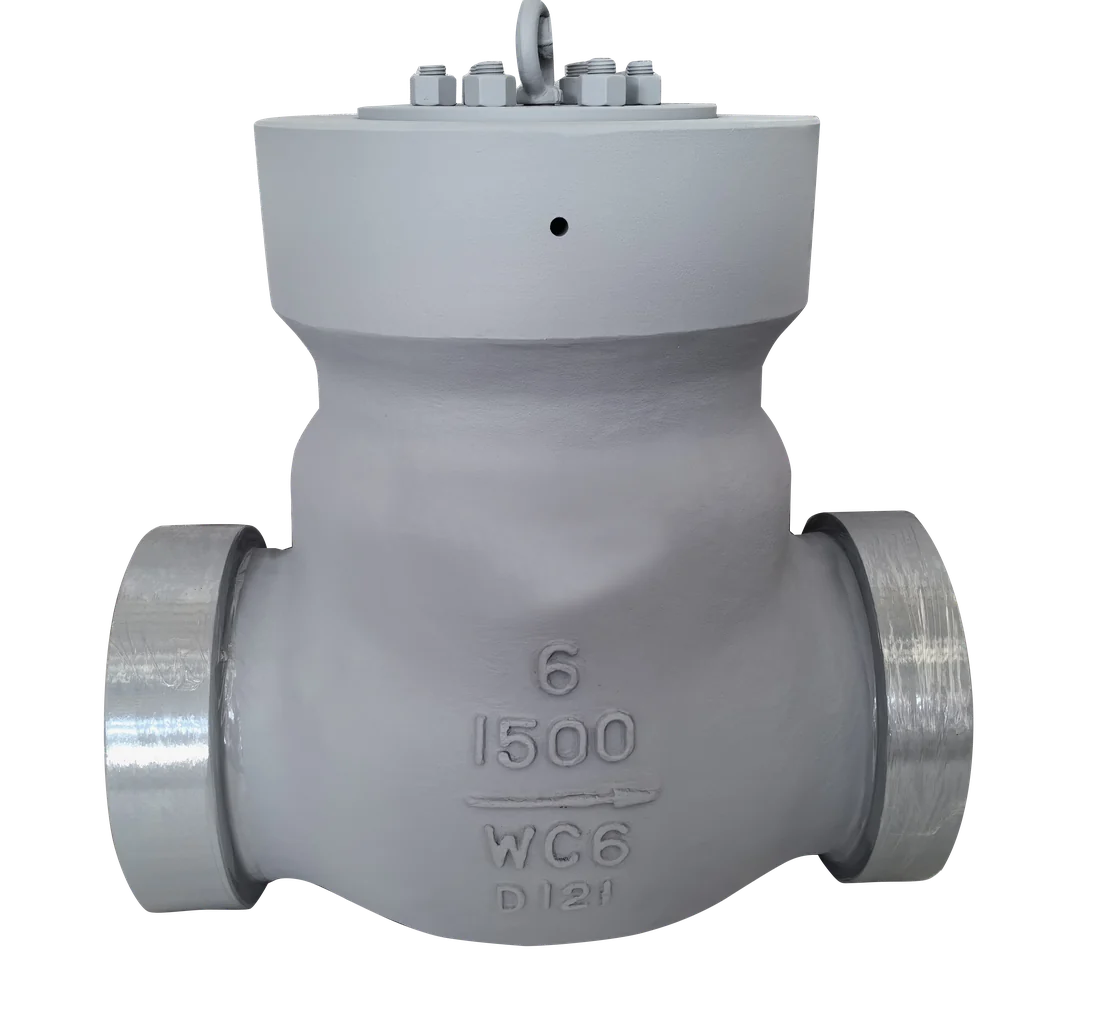
Pressure Seal Check Valve

check · pressure seal bonnet

Body
A105, A182 F11, F22, F91, F92
Size
NPS 2-24 (DN 50-600)
Class
Class 600 - 4500
Temp
up to 650 °C / 1200 °F
End
BW, SW, RTJ, RF
Standard
ASME B16.34
View specification

Main Steam Valve

Gate / globe / check · pressure seal bonnet

Body
A182 F22, F91, F92
Size
NPS 2-24 (DN 50-600)
Class
Class 1500 - 4500
Temp
540 - 650 °C for USC main steam
End
BW
Standard
ASME B16.34
View specification

Feedwater Valve

Gate / globe / check · pressure seal bonnet

Body
A105N, A182 F11, F22
Size
NPS 2-20 (DN 50-500)
Class
Class 1500, 2500
Temp
150-300 °C typical
End
BW, RTJ, RF
Standard
ASME B16.34
View specification

Stop-Check Valve

stop check · pressure seal bonnet

Body
A182 F22, F91, F92
Size
NPS 2-16 (DN 50-400)
Class
Class 900 - 2500
Temp
up to 620 °C / 1148 °F
End
BW, RTJ, RF
Standard
ASME B16.34
View specification

The joint gets tighter as line pressure rises

Above roughly Class 900 a bolted bonnet needs impractical bolt load and loses preload to every thermal cycle. A pressure seal bonnet inverts the problem: line pressure does the sealing work.

Pressure seal (self-energizing) Line pressure ↑ = seating force ↑ Tapered seal ring Segmental retainer Bolted bonnet (for comparison) Seal depends on bolt load, not line pressure

Where these valves go

A valve is selected for a position in a system, not for a product category. Each page gives the governing condition and the constructions that belong there.

System Governing condition Secondary
Thermal Power 17-31 MPa (subcritical to USC) 540-610 °C
Nuclear Power 6 - 8 MPa, saturated 280 - 300 °C
Cogeneration & CHP 4-14 MPa typical 440-540 °C typical
Boiler & Steam Systems 4-20 MPa depending on unit type Saturated and wet steam, flashing across the seat
High-Pressure Steam Class 900, 1500, 2500, 4500 15-45 MPa depending on class and temperature
Boiler Feedwater Above drum pressure plus static head plus losses 150-300 °C
Steam Turbine Main steam conditions at the stop valve 3-8 typical on a utility machine
Petrochemical & Refining 200-550 °C typical for hot service Class 300-2500
Coal Chemical 200-550 °C in the utility systems Steam, syngas, ash and slag-bearing streams, process water

Every claim here should be checkable

No service-life figures, no zero-leakage claims, no production capacity numbers. What there is: parameters marked by how firm they are, standards listed only where they apply, and the document that proves each one.

01

Traceable material

Heat number from mill certificate through machining to the nameplate, verified by PMI on every pressure part rather than on a sample.

How to check the chain
02

Recorded heat treatment

Furnace charts, PWHT charts per weld, hardness survey afterwards. On F91 and F92 this is the only production check that the material will perform.

Why it decides everything
03

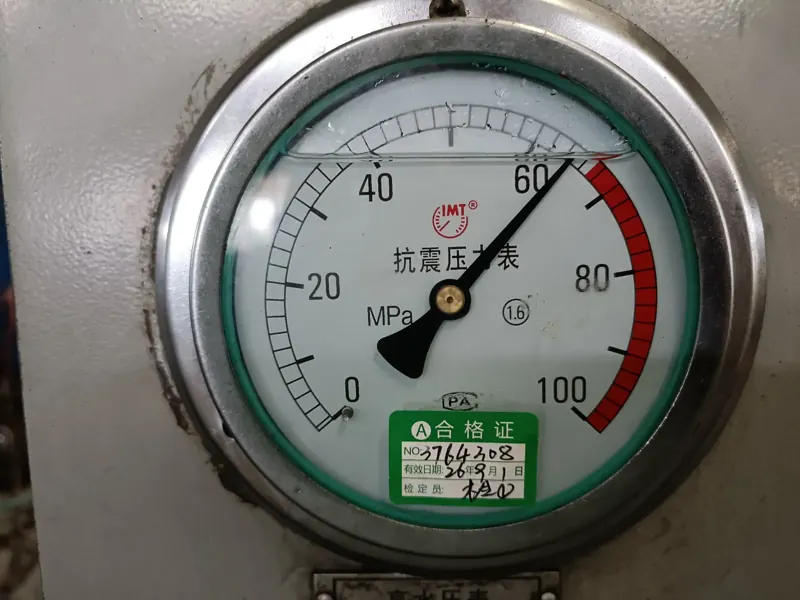
Tests reported properly

Actual pressure, actual duration, observed leakage against the allowable rate, gauge calibration reference. Not a pass mark.

What a credible report shows
04

Certificates, once verified

The certificates page currently lists nothing, because nothing has been verified for publication yet. That is deliberate.

Read why

Written for the person doing the selection

Each article states its scope and its limits, names the standards it relies on, and carries a review date.

  • F91 vs F92 Valve Materials 2026-08-12

    How F91 and F92 differ, where each is appropriate, why heat treatment decides whether either performs, and what records to demand on a creep-grade valve order.

  • What Is a Pressure Seal Bonnet? 2026-08-12

    How a self-energizing pressure seal bonnet works, why it takes over from bolted bonnets above Class 900, how it is assembled and disassembled, and what its real limitations are.

  • API 600 vs API 602 vs ASME B16.34 2026-08-12

    Three standards routinely listed together on valve datasheets. What each one actually governs, how they stack, and the misquotation to watch for on pressure seal valves.

  • Forged vs Cast Valve Bodies for Power Plant Service 2026-08-12

    When forging genuinely outperforms casting in valve bodies, when it does not, what the terminology actually means, and how to write the requirement into a specification so it means something.

  • Material Selection Guide 2026-08-12

    How body and trim materials are actually chosen for power plant valves, the constraints beyond temperature, and the questions that decide the answer.

  • Class 1500 Valve Selection 2026-08-12

    What Class 1500 actually specifies, how the rating changes with material and temperature, when Class 900 or 2500 is the correct choice instead, and what changes in the valve itself.

Send a valve list, get a line-by-line answer

Including the lines where we would need a deviation, and the lines where we think the wrong valve has been specified. That second category is the useful part.