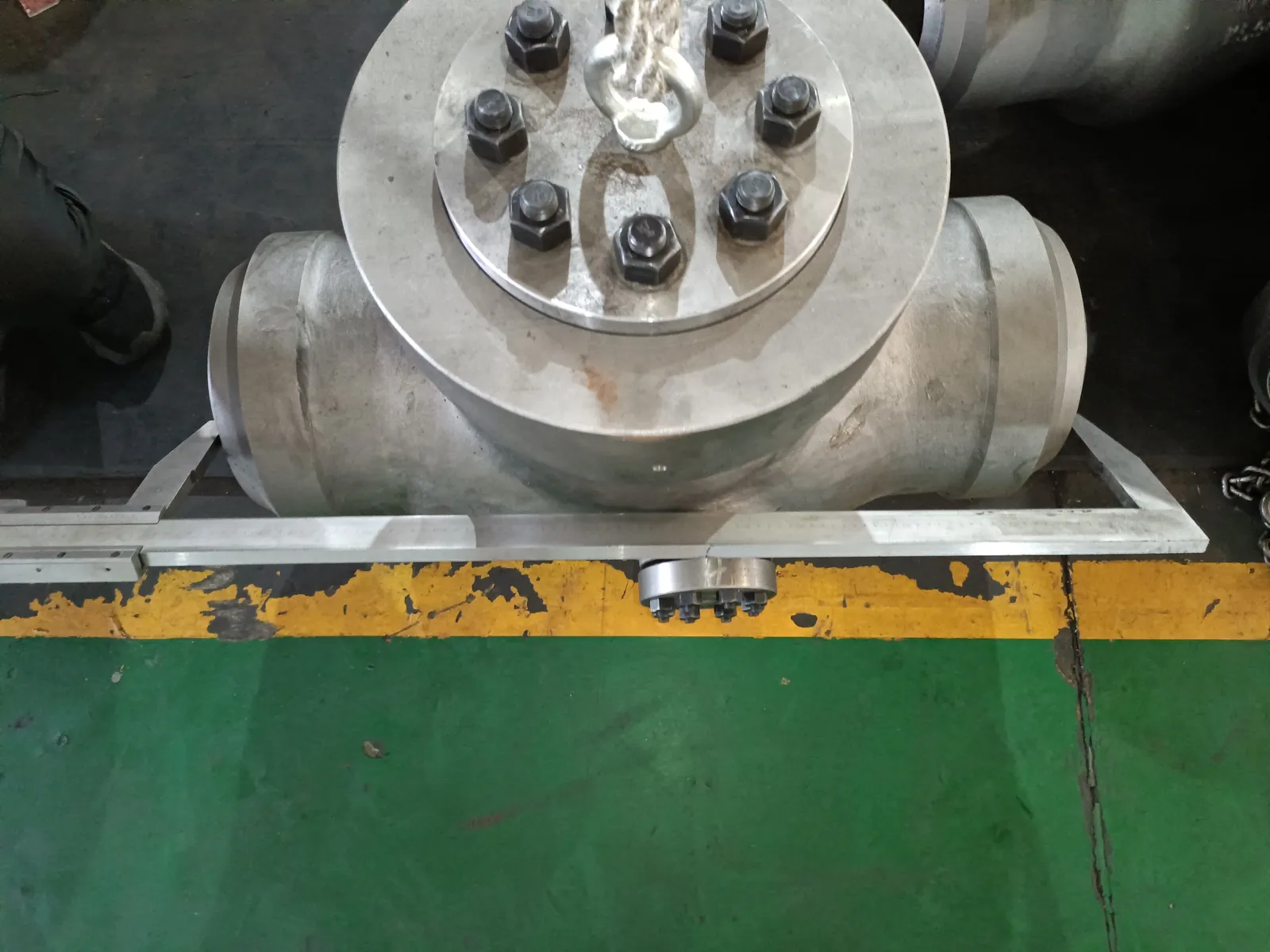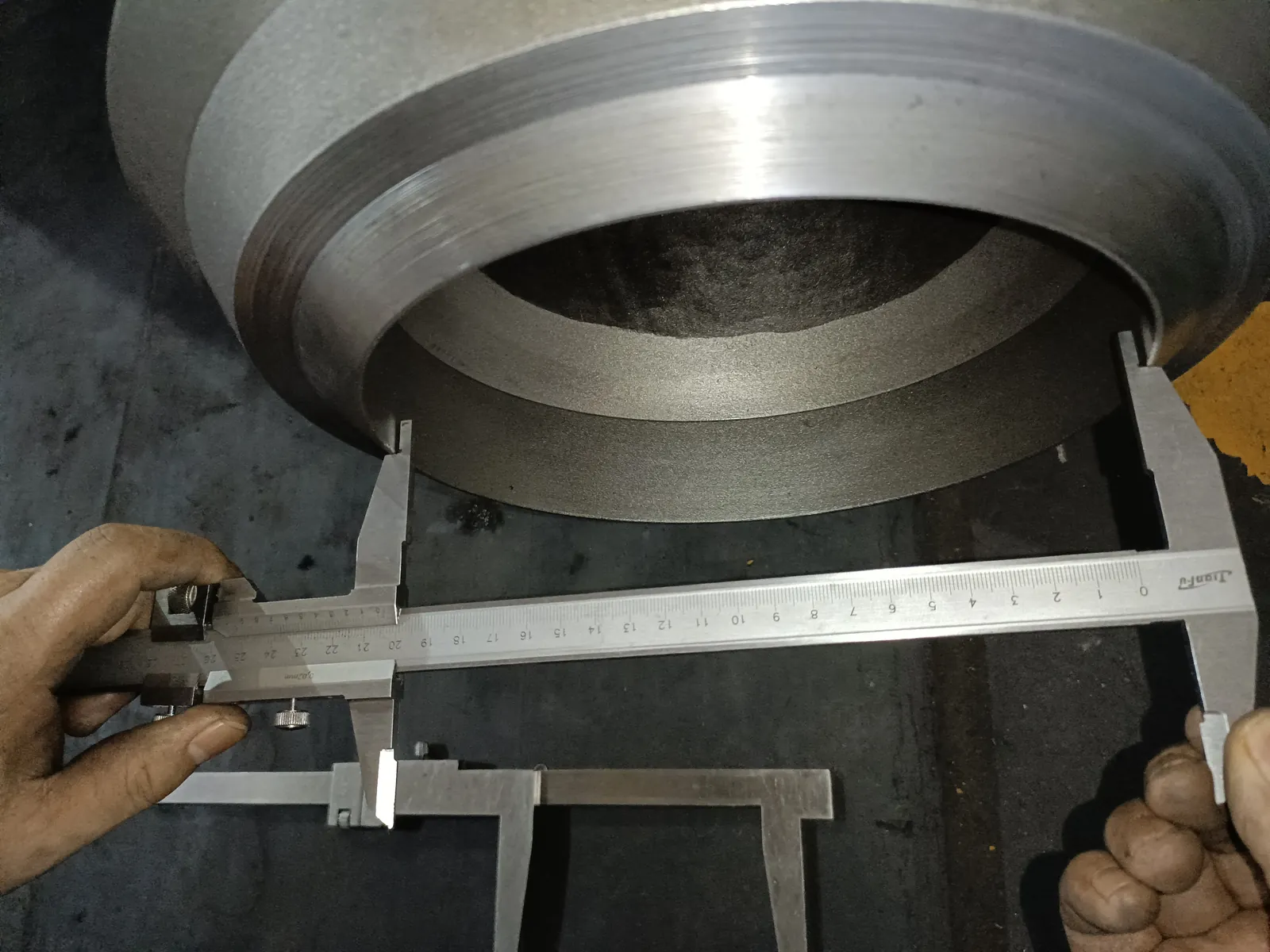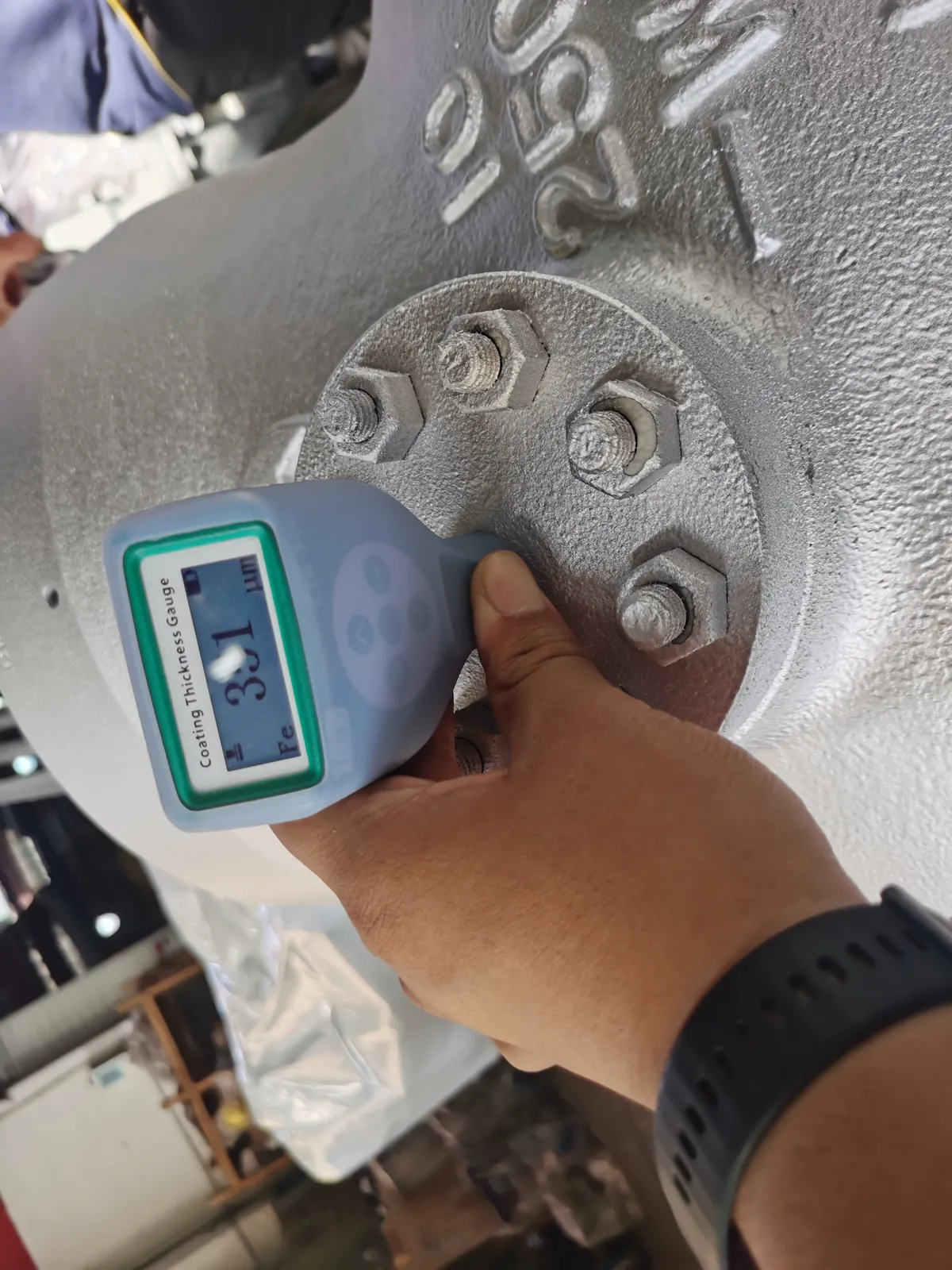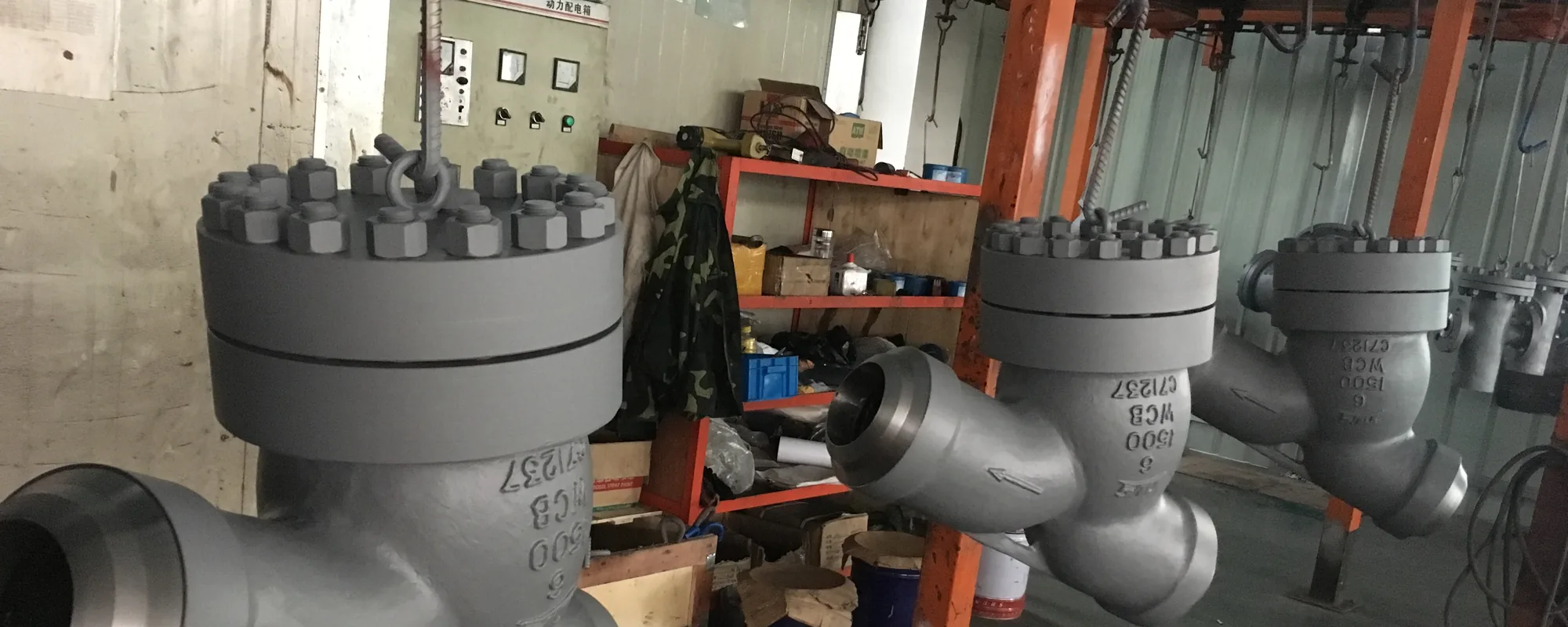
Testing is where a valve either demonstrates the pressure boundary works or does not. It is also where the reporting quality varies most between suppliers.
The tests
Shell test. The pressure boundary - body, bonnet and the joint between them - is pressurised with the valve partially open, so both sides see the test pressure. Test pressure is 1.5 times the 38 °C rating for the class and material, per ASME B16.34 and API 598. This is the fundamental test: it proves the valve will contain pressure.
Seat test. Pressure is applied to one side with the valve closed, and leakage past the seat is measured. Test pressure is normally 1.1 times the 38 °C rating. For a bidirectional valve, both directions are tested. For a check valve, the reverse direction is tested.
Allowable leakage is not zero for metal-seated valves. API 598 gives allowable rates that scale with valve size and depend on the seat material. A supplier claiming zero leakage on a metal-seated Class 2500 steam valve is either quoting a different standard or is not being precise, and it is worth asking which.
Back seat test. Where a back seat is fitted, the stem is fully retracted onto the back seat, the gland is loosened, and the joint is tested. Proves the back seat functions.
Functional test. Full stroke, open to closed and back, on the manual operator or the actuator. Records operating torque or thrust. On check valves, the disc is checked for free movement through its full travel.
Test durations
API 598 sets minimum durations that increase with valve size - a larger seating area needs longer for a leak to become visible. Shortening the duration is one of the simpler ways to pass a test that should have failed, which is why duration should appear on the report and why the seat test is worth a witness point.
API 598 or MSS SP-61
Both are used. The test philosophy is similar; the allowable rates and durations differ. What matters is that one is chosen, stated on the ITP, and applied - rather than the valve being tested to whichever is easier to pass on the day.
If your specification names one, we test to it. If it names neither, we will propose API 598 and state that on the ITP for your agreement.
What a test report should record
A report showing only “Pass” is not evidence. A useful report records:
- Valve identification: serial number, size, class, material, heat number
- Test standard applied
- Test medium and its temperature
- Actual test pressure achieved
- Actual duration held
- Observed leakage, with the allowable rate stated alongside for comparison
- Gauge identification and calibration due date
- Date, and signature of the person who performed the test
- Where witnessed, the signature of the witnessing party
The calibration reference matters. A test performed with an out-of-calibration gauge is not a test, and calibration status is the first thing a competent inspector checks.
Testing we do not perform as standard
Fugitive emission testing (ISO 15848). Type testing qualifies a design, not a batch. Where a specification requires it, it has to be in the enquiry so we can state whether the qualification exists for that design or would need to be obtained.
Cryogenic testing. Not applicable to this product range.
Endurance and cycle testing. Available as engineered scope where a specification requires demonstrated cyclic performance. Priced and scheduled separately, not implied.
Fire safe testing (API 607 / API 6FA). Not applicable to the pressure seal steam valve range.
We list these explicitly because a capability list that only says what a supplier can do is less useful than one that also says what it does not.
Pending verification. The specific test equipment, its pressure and size capacity, and its calibration status must be documented on this page with supporting evidence before it goes live. Until DERVOS VALVE’s actual test facility is confirmed, this page describes the test regime and the reporting standard, not a claim about in-house capacity.